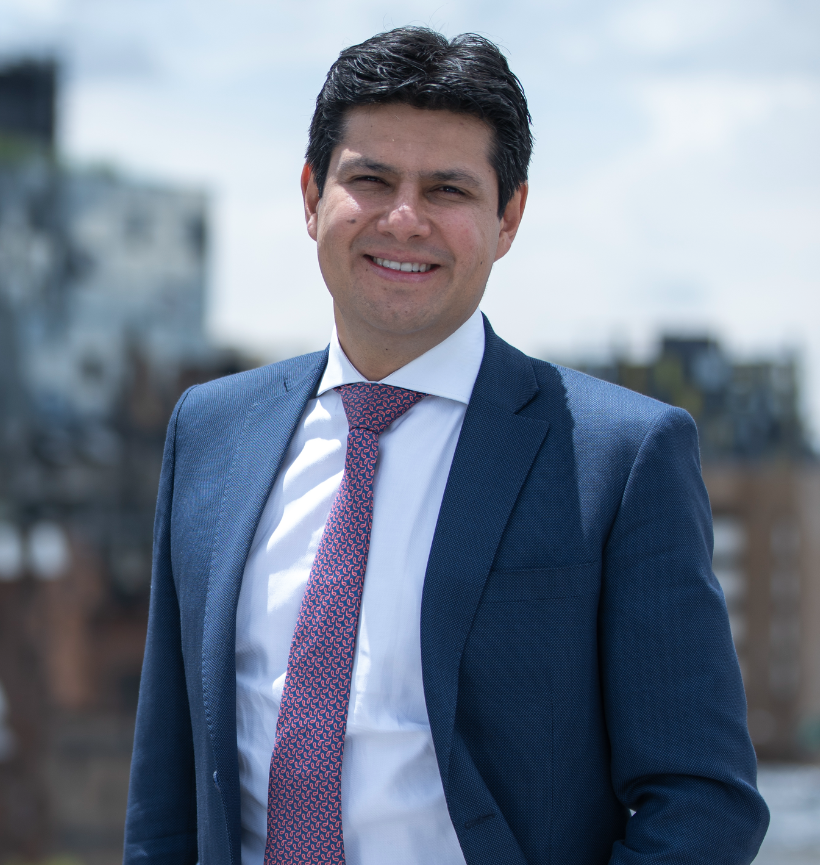

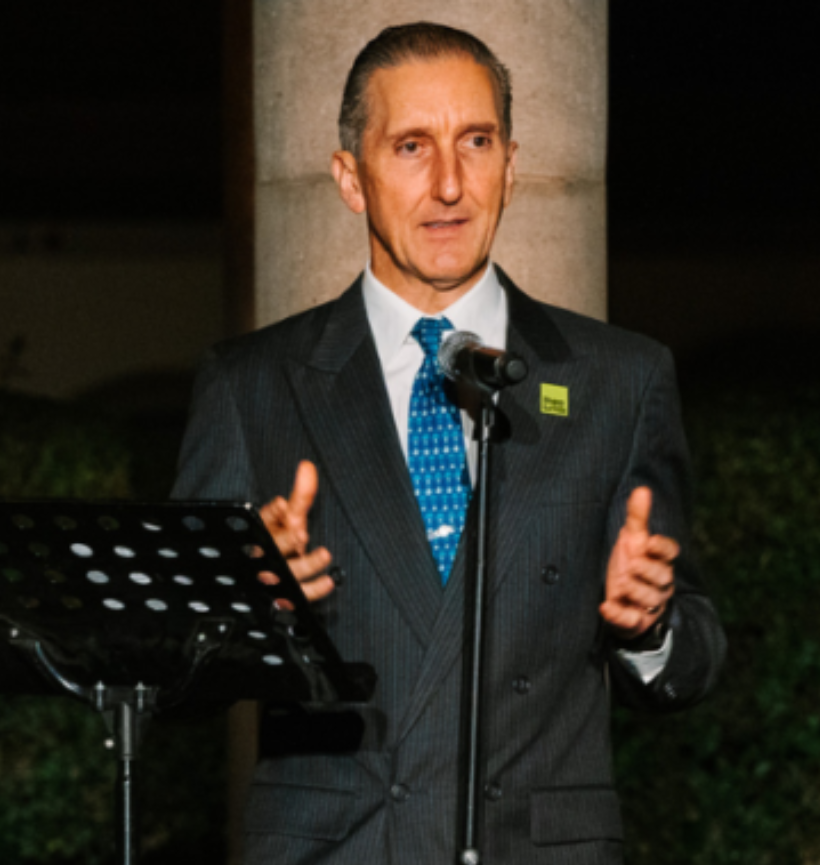
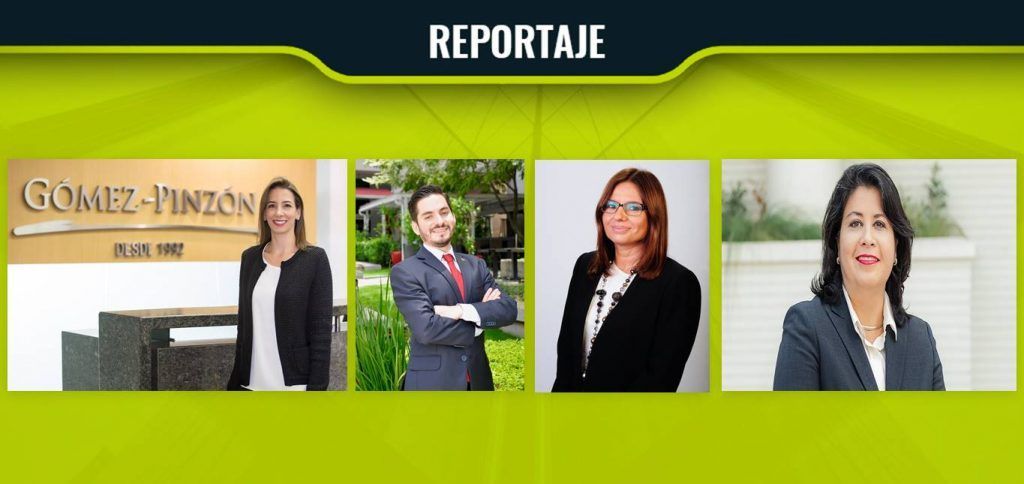
In this second installment of how firms in Latin America are breaking the glass ceiling, we continue our conversation with Daniel Valverde Mesén, from Écija, Natalia García Arenas, from Gómez-Pinzón Abogados, and María Inés Brandt, from Marval O’Farrell Mairal, who review for Líder Legal the policies they have in place to promote the professional development of women, their protocols for handling complaints related to sexual harassment, and the initiatives they promote within their firms regarding racial diversity.
Are inclusion and equality part of the firm’s culture? What underpins this?
María Inés Brandt (Marval O’Farrell Mairal): “Inclusion and equality are part of the firm’s values, along with social commitment, sustainability, innovation, and excellence. Diversity in the workplace is a central issue on Marval O’Farrell Mairal’s agenda. That’s why, in 2016, we created the Diversity Committee, made up of firm partners and members of the Human Resources team.”
On the other hand, various coaching workshops, talks with experts, and conferences are frequently offered. This is another step that reaffirms our deep commitment to creating a diverse and inclusive work environment at Marval.
Based on these premises, the Diversity Committee defined its work objectives:
- To highlight the value of having a diverse human capital in today’s world.
- Supporting the development of women’s confidence in achieving professional goals.
- Implement training programs for mothers using technology applied to work, including training on organizing work from home with the main objective of making working conditions attractive.
- Develop special training and incentives so that those responsible for the organization (partners and HR team) actively participate in the retention of female talent.
- Evaluate, from the Human Resources department, the extension of maternity and paternity leave, weekly home office days, and other measures that encourage the creation of pro-family policies, not only for women but for all staff.
- Raise awareness within the organization about cultural biases.
- Progressively increase the number of female professionals in the highest responsibility categories.
- Positioning Marval among the best law firms in the country for the professional development of women lawyers.
- To progressively achieve a greater level of flexibility.
Daniel Valverde Mesén (Écija): “One of our six founding values is diversity. Globally, we are a firm committed to diversity, with an ambitious Global Diversity Plan, and a constant focus on technology and the professions of the future. It’s no coincidence that the firm was born with innovation and technology in its DNA. In its daily work, it incorporates a significant technological and innovative component into legal advice, making the firm highly aware of the existing gender gap in the professions of the future.”
As a value, we appreciate the richness in difference:
- We encourage a variety of perspectives and profiles.
- We learn from difference, fostering variety without judgment.
- We listen to and consider the proposals of others, respecting other viewpoints.
- We open communication channels and express ourselves assertively.
- We know how to identify the good qualities of each person on the team.
Écija is among the top three companies in Spain with the highest overall percentage of women employees. In Costa Rica, we have signed the San José Declaration to respect and promote the rights of the LGBTI community, in addition to having issued a diversity and inclusion policy and appointed a Chief Digital Officer.
Natalia García Arenas (Gómez-Pinzón Abogados): “Absolutely. We have an inclusive employment policy that aims to promote equality among our employees, candidates, clients, and all stakeholders involved in our processes.
This policy works by incorporating two pillars into the execution of all processes carried out by the firm:
- It is established that the fundamental rights of all persons who are part of the supply chain of Gómez-Pinzón Abogados will be respected, with no discrimination based on gender, age, social condition, political position, sexual orientation, marital status, race, nationality, among others.
- We foster a corporate culture of respect, equality, solidarity and diversity.
- This policy was developed to support the company’s ongoing efforts to promote workplace inclusion, diversity, and non-discrimination, and is aligned with our corporate values.
- The office relies on two institutions to implement the inclusive employment policy: (i) Best Buddies Colombia: an international foundation whose main objective is to pave the way for the social and labor integration of people with intellectual disabilities in the country, and (ii) the Pan American Development Foundation (FUPAD): an independent non-profit organization created through a unique cooperation agreement between the OAS and the private sector.
Additionally, we have a Diversity and Inclusion Committee in which we actively work with the firm’s various associates and administrative staff on five lines of action: (i) Gender Equity; (ii) LGBTIQ; (iii) Racial and Ethnic Diversity; (iv) Persons with Disabilities; and (v) Equity and Social Mobility.”
In this world convulsed and disrupted by a pandemic… What policies are in place to promote the professional development of women and enable them to balance work and family life?
Natalia García Arenas (Gómez-Pinzón Abogados): “We have several policies that promote the professional development of women by recognizing the balance sought between family and work life:
(i) Flex time policy (it is provided for men and women in certain circumstances, such as the first year following maternity leave, in which it is possible to work part-time with a salary reduction of only 15%).
(ii) Flexible schedule (different entry and exit times).
(iii) Remote work (predominant in 2020 due to COVID-19).
(iv) Extended maternity leave (30 days in addition to the legal period).
(v) Extended paternity leave (20 working days in addition to the legal period).
(vi) Family Fridays (employees of the firm can enjoy two Friday afternoons a month for personal and family activities).
María Inés Brandt (Marval O’Farrell Maira l): “We organized webinars with renowned experts, through which we supported our collaborators and provided them with tools applicable to the different realities experienced during the pandemic. Some of these were: Covid 19 Vol I and II, with Dr. Daniel Espinosa; Overwhelmed Parents Vol I and II, led by Sabrina Díaz Ibarra; and The Day Our World Changed, led by Estanislao Bachrach.”
Daniel Valverde Mesén (Écija): “Long before the pandemic, Écija – Costa Rica maintained a work model based on trust as a founding pillar. For this reason, it implemented a work mechanism called smartworking, which allows our team of lawyers to manage their own time and work at their convenience, wherever they want, as long as they meet their work objectives.
The implementation of this scheme has been of great benefit, since this flexibility allows them to have time to be with their families, attend their own or family members’ medical appointments, or coordinate childcare hours for their children.
Écija had these provisions in place before the pandemic, so we were fully prepared to address the challenges it brought. This allowed us to adapt to the “new normal” more easily. It enabled our legal team to continue working despite the restrictions imposed by the pandemic and allowed people with children to supervise their online classes.
Does the firm have protocols in place for handling complaints related to sexual harassment, abuse of power, or workplace mistreatment?
Daniel Valverde Mesén (Écija): “Yes. We have a policy for handling complaints of sexual harassment. The policy establishes the procedure to be followed to investigate, and eventually sanction, harassment if it exists. There is also a zero-tolerance policy for workplace harassment.”
María Inés Brandt (Marval O’Farrell Mairal): “We have an anonymous and confidential reporting channel.”
Natalia García Arenas (Gómez-Pinzón Abogados): “There is a form for reporting alleged workplace harassment, including sexual harassment, and an email reporting channel that is known to the firm’s workplace conduct committee. We recently conducted training for all members of the firm to discuss acts or behaviors that may be considered workplace harassment or sexual harassment, and we reiterated the importance of reporting these types of behaviors to prevent them from occurring within the firm.”
In recent months, there has been much discussion about racial diversity. In the UK alone, more than 20 firms have signed the “Racial Equality Pledge,” which requires signatories to collect and publish data on the proportion of Black, Asian, and Minority Ethnic (BAME) lawyers they employ and how their progress compares to their white colleagues. What initiatives/projects does your firm promote in relation to this issue?
Natalia García Arenas (Gómez-Pinzón Abogados): “One of the lines of action of GPA’s Diversity and Inclusion Committee is racial and ethnic diversity, where we are working to increase the participation of Afro-Colombian and Indigenous populations in the country’s law schools and law firms. This is an issue that undoubtedly requires further development, and we are exploring partnerships with regional universities to integrate students as a pool of future leaders.”
Daniel Valverde Mesén (Écija): “Our firm is committed to combating discrimination in all its forms. During the recruitment process, we review a person’s credentials and skills to determine their suitability for the position, regardless of ethnicity or gender. Throughout their employment, we assess their professional and academic growth to determine their potential for advancement within the firm.”
María Inés Brandt (Marval O’Farrell Mairal): “From the Socio-Cultural Team of the Diversity Committee, we promote various initiatives that ensure full coexistence with ethnic minorities, always valuing talent above all else. Learning about different cultures helps us add value; this year we organized four cultural webinars that allowed us to learn, for example, how business is done in China, Brazil, the UK, and the United States, from the experience of Argentine professionals who have worked and are working in those countries.”
In your career as a lawyer, what is the most difficult thing you have had to experience because of your status as a woman?
María Inés Brandt (Marval O’Farrell Mairal): “The most complicated thing has been finding a balance between the time to dedicate to professional development and my role as a mother (I have three daughters). In my case, I have been able to combine both roles, although it has meant a great personal effort.”
Natalia García Arenas (Gómez-Pinzón Abogados): “In my career, I have been fortunate because there were women before me who paved the way and broke the glass ceiling. Additionally, I am part of an organization that has been fully committed to gender equality for many years. Given this organizational culture, I always saw my chances of becoming a partner as viable despite my motherhood, and I was the first associate to successfully implement the flex time policy. In fact, I was appointed partner of the firm after taking two consecutive maternity leaves and working almost three years on flex time. Today, I am a champion of gender equality because I am aware that very few women will have the good fortune I had of having a supportive workplace that allowed me to continue my career at a time in my life when I needed it more than ever. to dedicate a large part of my energy to my children.”
What challenges do you face in order to truly have decision-making power in your organizations, achieve greater equity and equal opportunities?
Natalia García Arenas (Gómez-Pinzón Abogados): “Continue increasing the percentage of women partners (equity partners) and members of the Executive Committee.”
Daniel Valverde Mesén (Écija): “Our female members in the office can speak more extensively on this topic. However, it is clear that at a regional level we still have a challenge in terms of female representation in the highest-ranking positions in our organization: the members.
Although at the Costa Rican level we have women in our Members’ Assembly, and in our Latin American region we have a large participation of female associate lawyers, in other countries of our region we still have important challenges in getting that representation to the highest level of our organization.
On this same topic, our partner specializing in tax law, Mariela Hernández, commented: “The challenges that female lawyers face are the same as those faced by other women who work outside the home, in a society with patriarchal and sexist undertones, although increasingly open, tolerant, and inclusive. These range from inappropriate comments made by a professor to female students during a discussion of sexual offenses in the Penal Code, to comments from a male counterpart regarding my marital status while reading a public deed. During the early years of my professional career, I was, in the vast majority of work meetings and various negotiations—if not all—the only woman surrounded by men. I still participate in many transactions where I am the only woman, but I also increasingly celebrate work meetings exclusively for women, without any men present. When this happens, I usually mention it among the participants, who share a common satisfaction with the achievements our gender has attained through effort, excellence, and commitment, often with standards that are much more demanding than those required of men.”
María Inés Brandt (Marval O’Farrell Mairal): “From my point of view it is a matter of time, since diversity and inclusion are established on the agenda of organizations as priority issues and this will generate a gradual growth and development of the career of women in these organizations until their role in decision-making is inevitable.”
You can read the first installment at the following link