
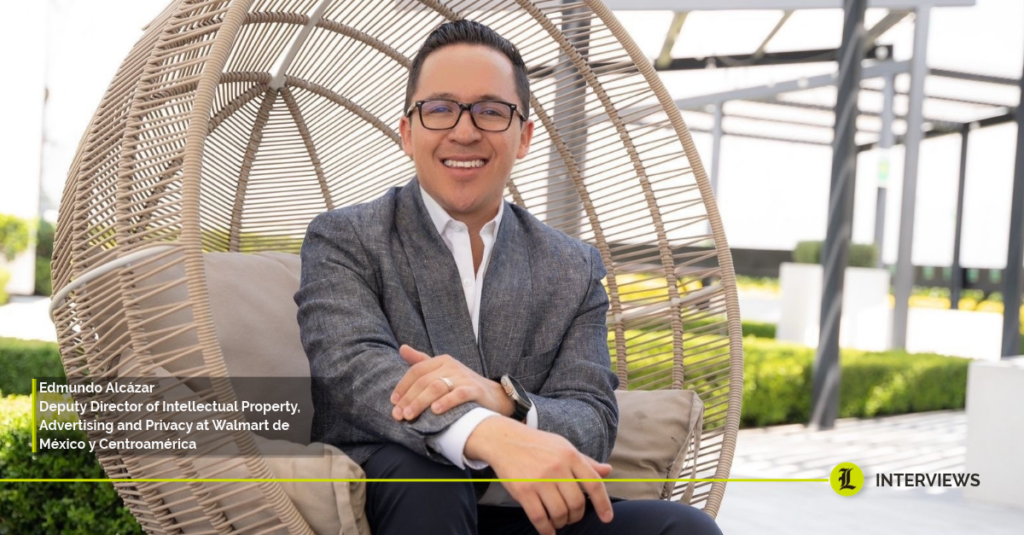
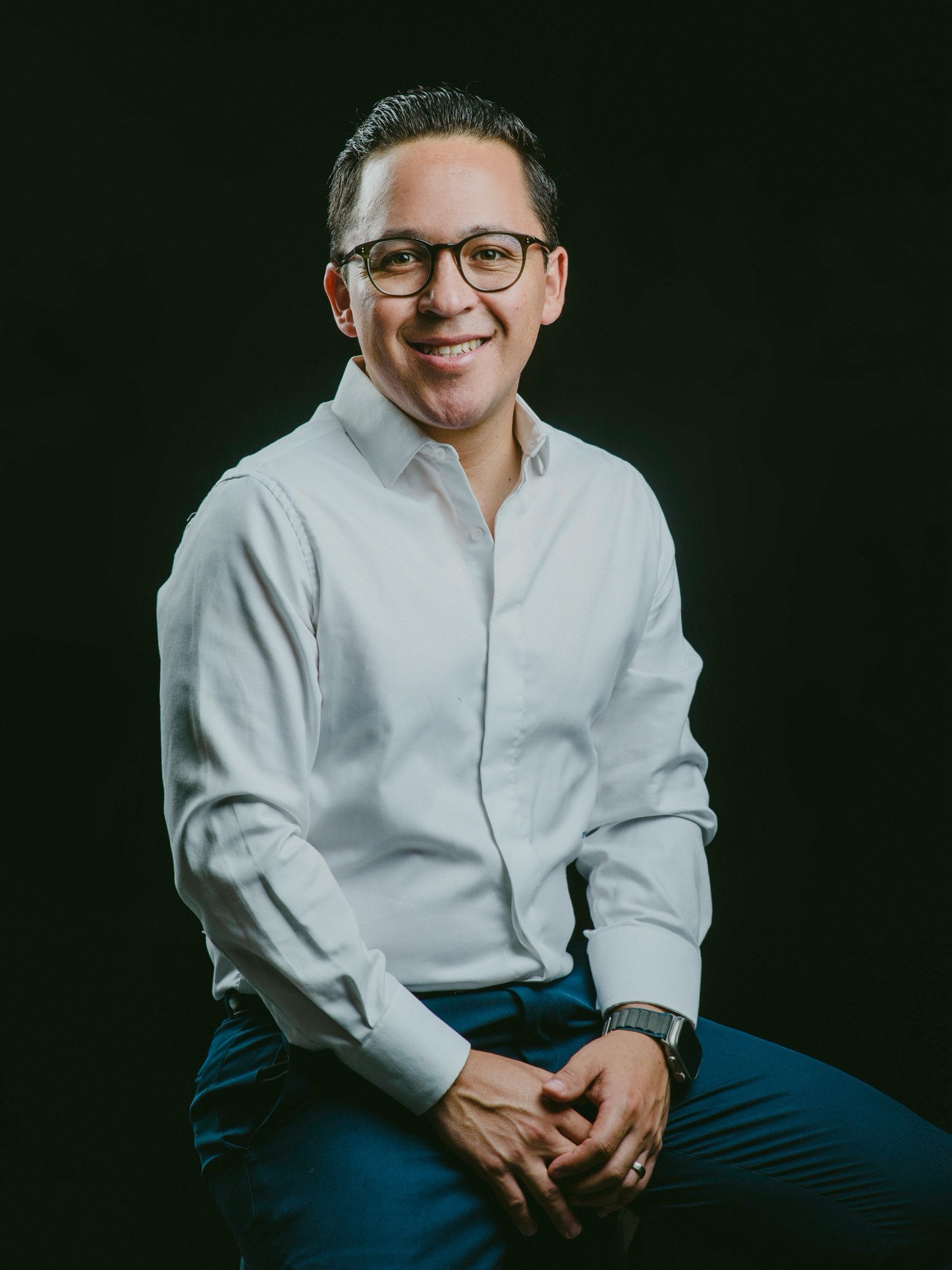
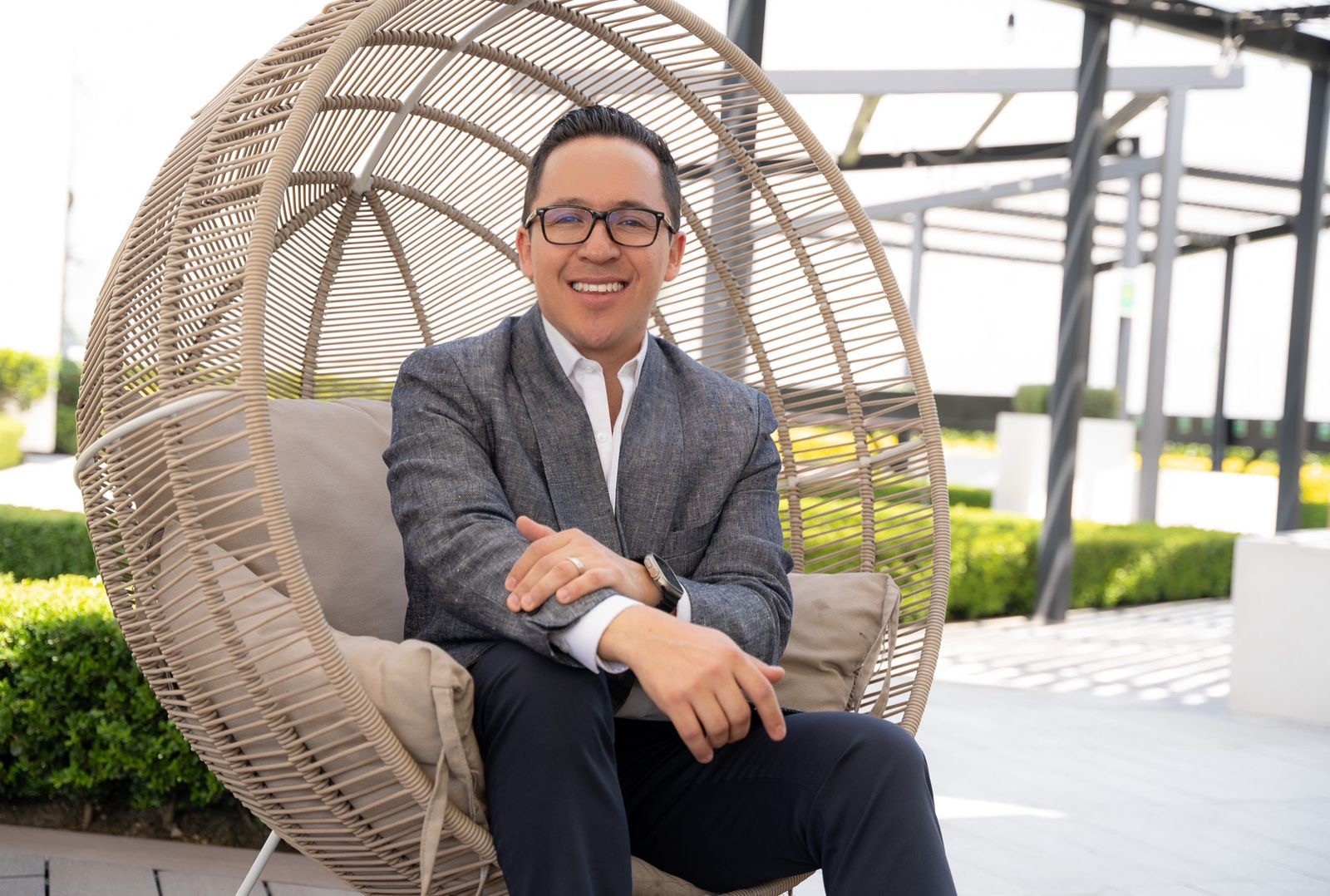
Edmundo Alcázar, Deputy Director of Intellectual Property, Advertising, and Privacy at Walmart Mexico and Central America, considers four non-legal skills essential for a legal leader: business acumen, clear communication, technological understanding, and negotiation and crisis management skills. He links these to his vision of intellectual property, advertising, and privacy as a single asset, which is best protected when lawyers are involved from the creative phase. He notes that privacy laws in several countries and the authorship of AI-generated content now demand this combination of legal judgment and technical expertise. He completes this with an idea he defends as a judge for the Legal Leadership Awards 2026: “Communicating clearly and developing business are professional skills, not accessory ones.”
Legal knowledge alone is no longer enough to lead a legal function. What non-legal skills do you consider essential for a leader today?
I would mention four: 1) understanding the business and its metrics, to translate legal risk into real operational and economic impact; 2) clear communication, capable of transforming a technical analysis into an actionable recommendation; 3) understanding technology, especially in data, cybersecurity, and artificial intelligence, because today you can’t advise on data processing or a cloud services contract without understanding how the underlying architecture works; and 4) negotiation and crisis management skills, necessary and indispensable for reaching agreements and resolving conflicts. These skills, taken together, allow us, as lawyers, to provide added value to our clients and companies.
Your career has led you to head the areas of intellectual property, advertising, and privacy in different companies. What stage of your career defined that specialization?
From the beginning of my career at Citi-Banamex, inspired by my then-leader, I discovered a passion for intellectual property. My professional practice required me to simultaneously oversee the launch of brands, advertising campaigns, and digital projects that involved the processing of personal data. This experience allowed me to see that intellectual property, advertising, and privacy are not isolated disciplines, but rather three dimensions of the same asset, fostering creativity, protecting creations, and building trust between a brand and the consumer.
From the perspective of intellectual property litigation, this integrated view is crucial: many disputes over trademark infringement, unfair competition, or comparative advertising originate from decisions made in the creative or contractual phase, so prevention is the best procedural strategy.
Your team works closely with the marketing and sales departments, which need creativity and speed. How do you lead from a legal perspective without stifling creativity?
I believe the key is to intervene early and with clear criteria. When the legal team is involved from the beginning of a project, they can guide the creative process instead of correcting it at the end. Likewise, I consider it equally important to be strategic partners with our clients, to understand their operations, their day-to-day activities, and to see how we can add value to their objectives.
In contractual matters, conducting risk analyses and classifying them by levels allows for the rapid approval of routine matters and focuses the analysis on what is truly critical. A lawyer who says, “Yes, and let’s find a way to do it within the legal framework,” generates more value than one who simply says “No.”
Retailers manage increasing volumes of consumer data, both in physical stores and through digital channels. What does protecting this data require of the legal function in various countries of the region?
I believe that in all industries today, the personal data of their clients is a very important asset, and as lawyers we have to guarantee, first and foremost, compliance with the regulations and privacy laws of all countries where such data is processed, maintaining the principles of lawfulness, consent, information, quality, purpose, loyalty, proportionality, and accountability.
Given the diversity of legislation and requirements, the efficient approach is to build a regional program with a high common standard and local adaptations, primarily considering: inventory of collected data, classification of processing activities, privacy notices that include each channel or business model, consent management, procedures to address the rights of data subjects, and impact assessments for high-risk processing activities, such as biometrics or profiling.
The contractual dimension is also important: contracts with processors and technology providers must regulate purposes, security measures, subcontracting, international transfers, auditing, incident notification and return or deletion of data.
Finally, privacy is inseparable from cybersecurity. The legal department must participate in the design of administrative, technical, and physical security measures, in incident response plans, and in assessing the obligation to inform affected data subjects when a breach significantly impacts their property or moral rights, while also preserving the chain of custody.
Generative artificial intelligence raises new questions about authorship and use of content in advertising. What challenges does it pose for campaign protection?
This answer may vary depending on the country and its legislation; however, in Mexico, we start from a clear legal principle: the Federal Copyright Law recognizes as the author only the individual who creates the work. Therefore, content generated autonomously by an artificial intelligence system is unlikely to enjoy copyright protection. The Supreme Court of Justice of the Nation ruled in this sense in 2025, denying the registration of a work generated by artificial intelligence. Consequently, if an advertisement relies essentially on generated content, the company may not have exclusivity over it, which should be considered before making it a distinctive element. In such cases, it is advisable to strengthen protection through trademark registration or by ensuring a relevant and documented human creative contribution.
The preparation of a lawyer in relation to the challenges involved in the use of Artificial Intelligence can be summarized in three key areas: 1) continuous training on the regulatory and jurisprudential evolution of your country and comparative law; 2) generating internal policies for the use of generative tools that regulate what information can be entered into them, in order to avoid the disclosure of trade secrets or personal data; and 3) establishing human review controls; contractual clauses that require the declaration of the use of artificial intelligence and that guarantee that the content does not infringe the rights of third parties.
This helps to gain a more global perspective on the topic, see best practices in different industries and regions, and establish your own criteria for the proper protection of intangible rights, according to the needs of your clients.
You are a member of the jury for the 2026 Gala Nacional del Derecho – Legal Leadership Awards, which recognize excellence in marketing, communication, and business development within the legal sector. How do these awards contribute to raising the standards of the profession?
I believe that this type of recognition makes visible good practices that usually remain within organizations and creates benchmarks that the rest of the sector can adopt.
They also recognize that clear communication and business development are professional, not secondary, skills, which fosters a legal profession more attuned to client needs and reinforces ethical standards: communication regarding legal services must be truthful, respect professional secrecy and client confidentiality, and avoid promises of results—the same principles of truthfulness we apply to advertising any product. Rewarding excellence based on these criteria raises the standard for the entire profession.
Edmundo Alcázar describes a lawyer who approaches business with their own criteria. He summarizes this as the difference between someone who seeks ways to do something within the legal framework and someone who simply says no. He applies this same attitude to generative artificial intelligence, where the legal response varies from country to country. To prepare lawyers, he proposes three key areas: ongoing training in national and comparative law, internal policies that limit what information is fed into generative tools, and human review controls along with clauses that require disclosure of their use. Alcázar believes that this preparation provides a more comprehensive perspective and allows each team to establish its own criteria for protecting intangible rights, according to the needs of its clients.