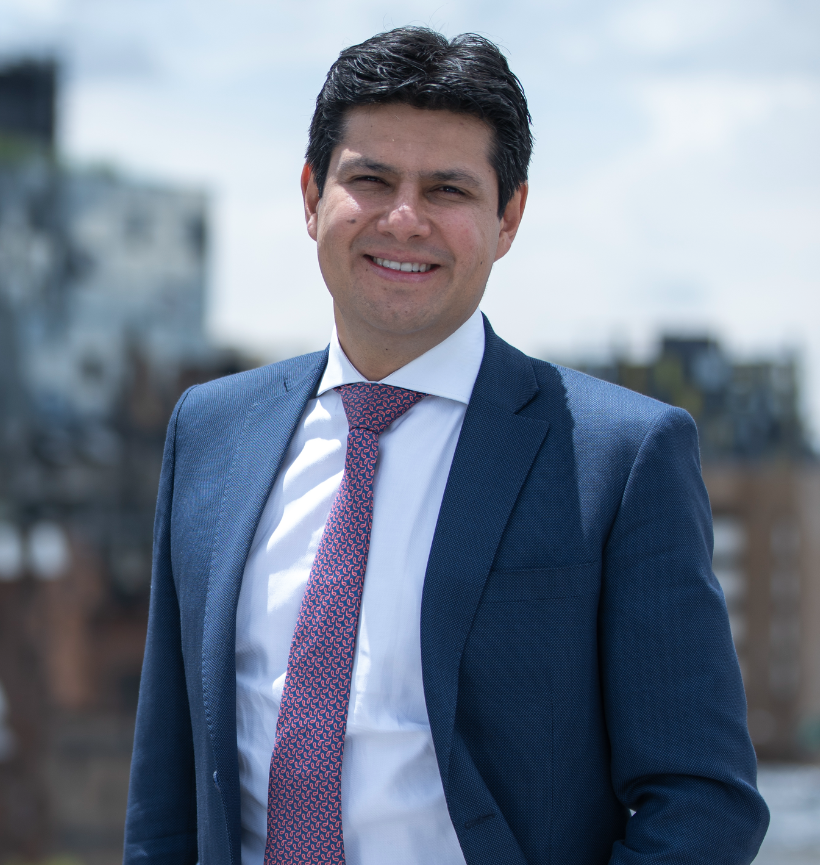

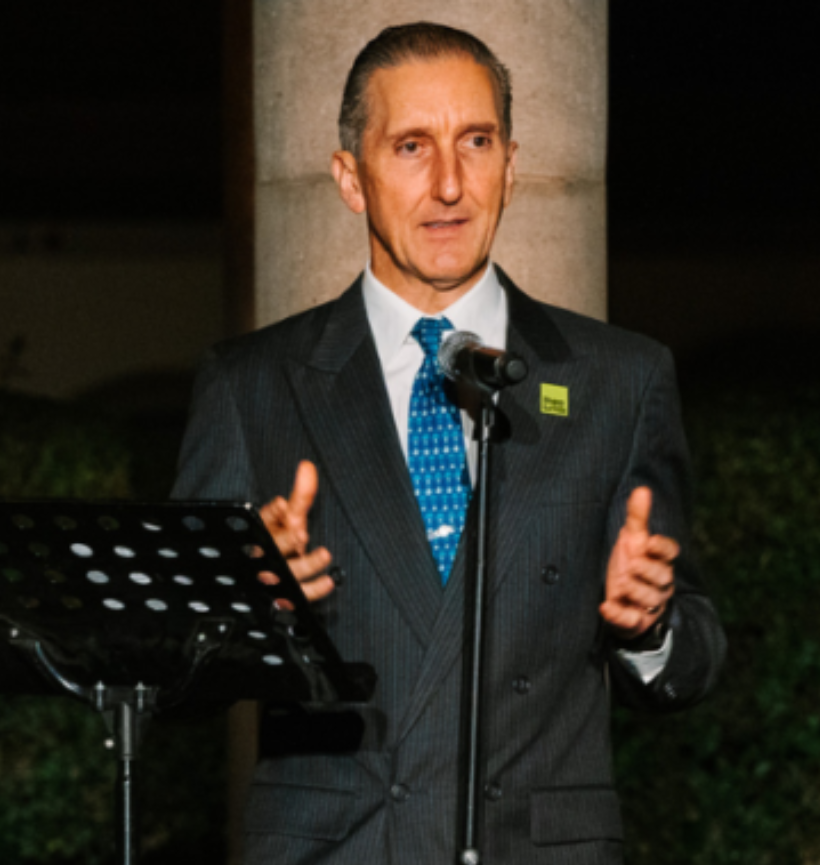

By Mario Covarrubias Jurado*, lawyer, Estudio Garrido Abogados (Argentina)
The largest study to date on the mental health of American lawyers has just yielded a result that is hard to ignore: 47.5% report high or very high levels of burnout. Presented in September by the ABA’s Lawyer Assistance Programs Commission and published in the Journal of Affective Disorders, the study by Patrick Krill and Justin Anker gathered 39,036 responses from 28 jurisdictions.
The most revealing aspect is what the authors associate with this burnout: the demands of the practice, the field of practice, and the conflict between work and personal life. With 71 hours per week or more, the rate reaches 69.5%. Independent lawyers and those working in firms report more burnout than in-house or court-based lawyers. And those under 30 experience more than three times the rate of moderate or major depression than those over 61, according to Idealex; among their burdens, the authors mention the disruption caused by AI.
We’ve already seen this movie
Email arrived on the phone and eliminated downtime. Then came chat, and with it the client who writes at ten o’clock at night and expects a response before going to sleep. Each tool promised time and delivered expectation: if you can respond now, you have to respond now.
The Third Wave
The study doesn’t measure artificial intelligence, but it impacts these same demands. Producing legal information has become cheaper; assuming responsibility for it hasn’t. Today, clients arrive with three responses from three chatbots: one cites a ruling from another country, another declares a clause null and void, and the third contradicts the other two. The lawyer must verify the sources, the jurisdiction, and the soundness of the conclusion.
Couture warned in his commandments that those who fail to keep abreast of legal changes will become “a little less of a lawyer” each day. Today, a chatbot can offer rules, rulings, and legal doctrine from any jurisdiction in seconds, and clients expect their lawyers to be up to the task. No single lawyer can compete with that capacity for processing and retrieving information, and trying to do so is a clear source of stress. Perhaps studying today is not about accumulating knowledge, but about developing the discernment to determine what deserves to be believed.
Work that is not billed
The idea is taking hold that, because AI is used, work takes fewer hours and the rate, or hourly fee, should decrease. The Best Law Firms report on the Spanish market, with data from 218 firms, shows that 42% of large firms have implemented generative AI in various areas, but only half of the firms have clear policies on when to use it in client matters. According to Confilegal, which reviewed the report, one in three large firms is finding fewer billable hours for certain tasks.
So far, the data. What follows is my own hypothesis. What AI eliminates is the visible: a draft, a search. What it creates is invisible: verifying, comparing, correcting, updating. If only half have clear policies, it’s reasonable to think that this control rests with each lawyer and isn’t reflected in the bill. And if the rate doesn’t reflect this, the adjustment variable is hours, the most compelling risk factor in the study. None of the sources measure this, and the US sample doesn’t automatically apply to Latin America.
A question for the director
For partners and general counsel, the discussion about AI cannot be limited to how much time it saves. What matters is who verifies its output, how that oversight is reflected in the fee structure, and how junior staff are trained if AI is performing the basic tasks that developed their judgment. As Diego Ignacio Gómez M argued in Líder Legal, the result of AI is a starting point, not legal authority. Perhaps the challenge isn’t for lawyers to better handle pressure, but rather how much unnecessary work we create around legal work.
Mario Covarrubias Jurado is a lawyer from the Catholic University of Argentina, with a Master’s degree in Business Law from the University of San Andrés, and is a professor in the Postgraduate Department of the Faculty of Law at the University of Buenos Aires (UBA). He is an associate at Estudio Garrido Abogados, where he specializes in commercial litigation, arbitrations arising from mergers and acquisitions, and technology disputes.