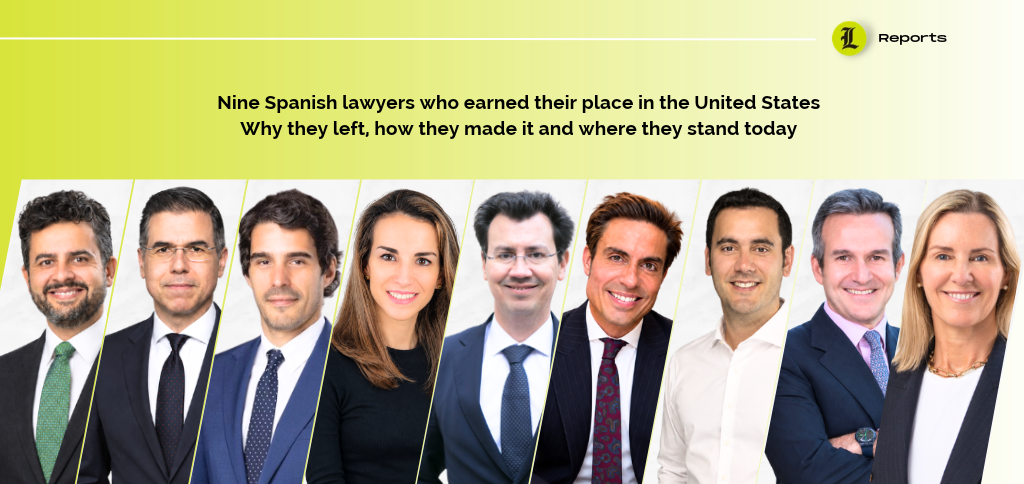


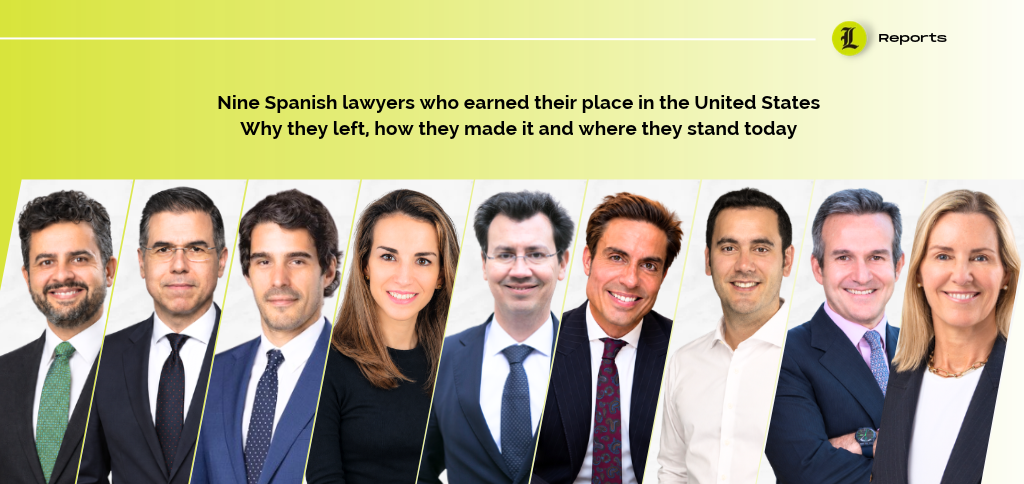
They arrived in the United States between 1994 and 2015, having worked at firms such as Uría Menéndez, Garrigues, Cuatrecasas, Gómez-Acebo & Pombo and Bird & Bird. Today they practise in New York, Washington, Chicago and Miami. Aníbal Sabater (Chaffetz Lindsey), Damián Vallejo, Andrés Arnaldos and Margarita Oliva Sainz de Aja (Dunning Vallejo & MacDonald), Isabel Fernández de la Cuesta (Fernández de la Cuesta Arbitration), Javier Fernández-Samaniego (Samaniego Law), Simón Navarro (Sidley Austin), José Ignacio García Cueto (Clifford Chance) and José A. Morán (Baker McKenzie) tell Líder Legal why they made the move, what it meant to enter a market in which their careers had to be proved again, and which counted for more: the pay gap or professional advancement. Their answers converge on three points. Several came for a limited stint and stayed; international arbitration drew many of them; and pay, though attractive, was never the sole reason to remain.
The nine span several generations of the same movement. Margarita Oliva Sainz de Aja arrived in 1994 to take an LL.M., intending to return to her teaching post in Granada. José A. Morán became the first Spanish lawyer to work at Simpson Thacher in 1996. Damián Vallejo and Simón Navarro arrived in 2015. Between them lie more than 20 years and a salary gap that, as Aníbal Sabater notes, has widened over time. Some coincidences only emerge in hindsight: Sabater and Isabel Fernández de la Cuesta arrived in the same year, 2003, at the same firm, Fulbright & Jaworski, in the same city, Houston.
Arbitration’s weight within the group has a clear explanation. José Ignacio García Cueto recalls that when he decided to leave, the leading arbitration practices focused on Latin America were mostly in the United States or London, and very few were in Spain. Being in the right place was not enough, however. Their training and experience opened doors, but did not spare them from proving themselves in a different legal system, with different rules, a different working language and a different way of measuring merit.
The nine lawyers
Andrés Arnaldos. Partner at Dunning Vallejo & MacDonald LLP, New York. In the United States since 2007. Previously an associate in the corporate department of Cuatrecasas in Barcelona.
Isabel Fernández de la Cuesta. Independent international arbitrator and founder of Fernández de la Cuesta Arbitration, New York. In the United States since 2003. Former partner at King & Spalding.
José Ignacio García Cueto. Partner and head of the international arbitration practice in the Americas at Clifford Chance, Washington DC and New York. In the United States since 2013. Previously in the litigation and arbitration team at Garrigues in Barcelona.
José A. Morán. Partner and head of the Energy and Infrastructure Practice Group, North America, at Baker McKenzie, Chicago. Practising in the United States since 1996. Previously at Gide Loyrette Nouel in Madrid.
Simón Navarro. Partner and global co-leader of the International Arbitration and Trade practice at Sidley Austin, New York. In the United States since 2015. Previously at Uría Menéndez and Clifford Chance.
Margarita Oliva Sainz de Aja. Partner at Dunning Vallejo & MacDonald LLP, New York. In the United States since 1994. Previously a lecturer at the University of Granada.
Aníbal Sabater. Partner and member of the executive committee of Chaffetz Lindsey LLP, New York. In the United States since 2003. Previously at Gómez-Acebo & Pombo in Madrid.
Javier Fernández-Samaniego. Managing director of Samaniego Law, Miami. In the United States since 2014. Previously managing partner of Bird & Bird in Spain.
Damián Vallejo. Partner at Dunning Vallejo & MacDonald LLP, New York. In the United States since 2015. Previously at Albors Galiano & Portales in Barcelona.
The decision: from temporary plan to career
For several of them, the United States was meant to be a stopover. Oliva came to complete her doctoral studies; Sabater went to Houston for what was initially a year as a visiting lawyer at Fulbright & Jaworski; García Cueto expected the experience to last two or three years. Others, such as Morán, Navarro and Arnaldos, had been considering the move for a long time. In more than one case, personal reasons weighed as much as professional ones: Fernández de la Cuesta crossed the Atlantic to join the man who is now her husband, and Fernández-Samaniego moved with his family, convinced that Miami was the place to start a business. We also asked Fernández de la Cuesta about her second leap: leaving her partnership at King & Spalding to sit as an independent arbitrator.
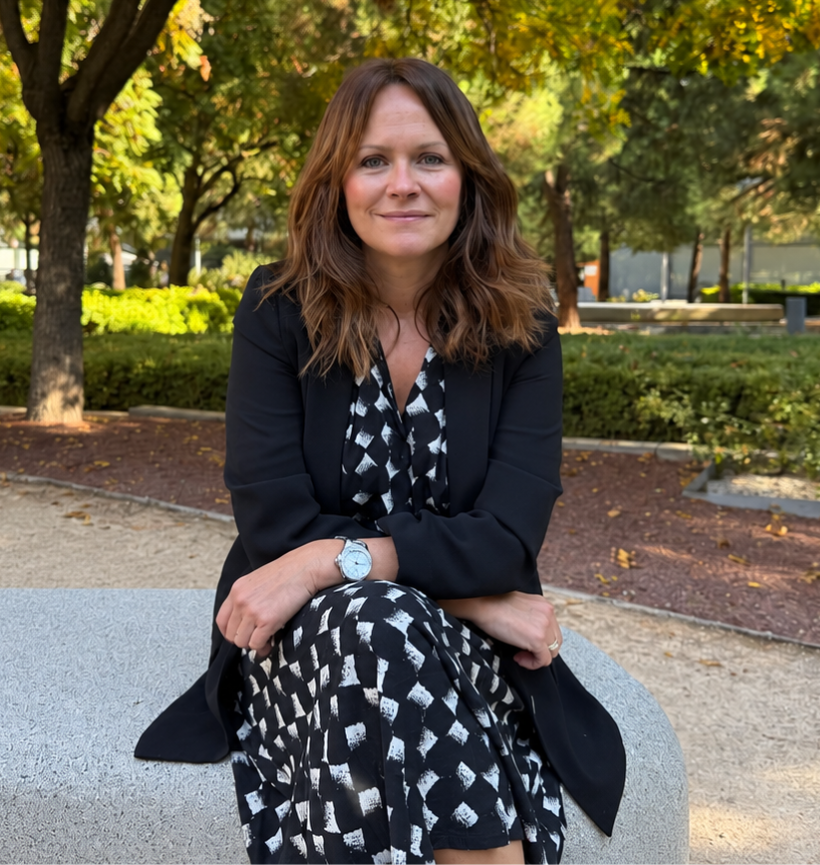
Margarita Oliva Sainz de Aja
Before coming here, I had spent two years as a lecturer at the University of Granada. My professional life was academic and my plan was clear: come to New York for an LL.M. to complement my doctoral training, then go back. Private practice was not part of the plan. I had not considered it, and I did not know whether I would enjoy it.
It was only once I was here, and saw the opportunities private practice offered, that I decided to try it. It was not a decision I had been weighing for years but a curiosity that took hold along the way. I treated it as an experiment, and I enjoyed it.
José A. Morán
In Madrid I worked briefly at Gide Loyrette Nouel. It was an excellent experience. Gide remains a leading firm, known among other things for advising the French government on the privatisation of state-owned companies.
My decision to work in the US, however, had been taking shape earlier, after an internship in the syndicated loans area of Banco Santander in New York in the summer of 1992, while the Barcelona Olympic Games were under way.
At the bank I learned a great deal about derivatives, non-performing loan negotiations, repurchase agreements (repos) and the Argentine government’s refinancing plan following its sovereign debt default. None of this had come up at university, so the experience was unique.
The following year I joined a programme for Spanish law students at Columbia University, also in Manhattan. I already knew the city and had good friends there. I also played for two rugby teams, where I made friends and met clients with whom I am still in touch.
Aníbal Sabater
Shortly after graduating from Complutense University in 1997, I joined the Madrid office of Gómez-Acebo & Pombo. At the time, Gómez-Acebo had a litigation and international arbitration group that was a pioneer among the large Spanish firms, led by the late Joaquín García-Romanillos and by Miguel Ángel Fernández-Ballesteros.
Unlike competitors that typically relied on a domestic client base, our model was built on representing international clients. In international arbitration and litigation, that often meant acting as local counsel to foreign firms such as Freshfields, Lenz & Staehelin, Simmons & Simmons and LeBoeuf, which later merged with Dewey. I loved working with those firms, but it frustrated me that we were often confined to the role of co-pilot. I wanted to be part of the team leading the case. So around 2000 or 2001 I began seriously considering a move to the United States or elsewhere in Europe. I raised it at Gómez-Acebo & Pombo, and Manuel Martín, then managing partner, suggested I do nothing irreversible and instead spend a year on secondment at Fulbright & Jaworski, a firm with which Gómez-Acebo & Pombo had a good relationship and which is now part of Norton Rose Fulbright. Manuel’s view was that I would gain experience and then return to continue my career in Spain.
It seemed a good idea. Fulbright’s arbitration team was then led by Andrés Rigo, Spanish by birth and a former deputy general counsel at the World Bank, together with three leading energy disputes specialists: Mark Baker, John Bowman and Arif Ali. So in mid-2003 I went to Houston, where Fulbright had its headquarters, initially for a year.
My move coincided with a boom in arbitration, particularly investment arbitration. Shortly after arriving I worked on the Duke Energy cases against Ecuador and Peru, which later became very well known and were groundbreaking for their time. Many US firms responded to that growth by expanding their arbitration teams.
In early 2004 Fulbright offered me a permanent position and I accepted. Gómez-Acebo, I should add, was very generous and made the change of firm easy.
In 2008 I made partner at Fulbright, and in 2012 I moved to New York, with the merger with Norton Rose imminent. In early 2015 I joined Chaffetz Lindsey, looking for a practice with fewer conflicts of interest and the chance to be more of a lawyer and less of a manager, which is often what you end up being at a large firm.
José Ignacio García Cueto
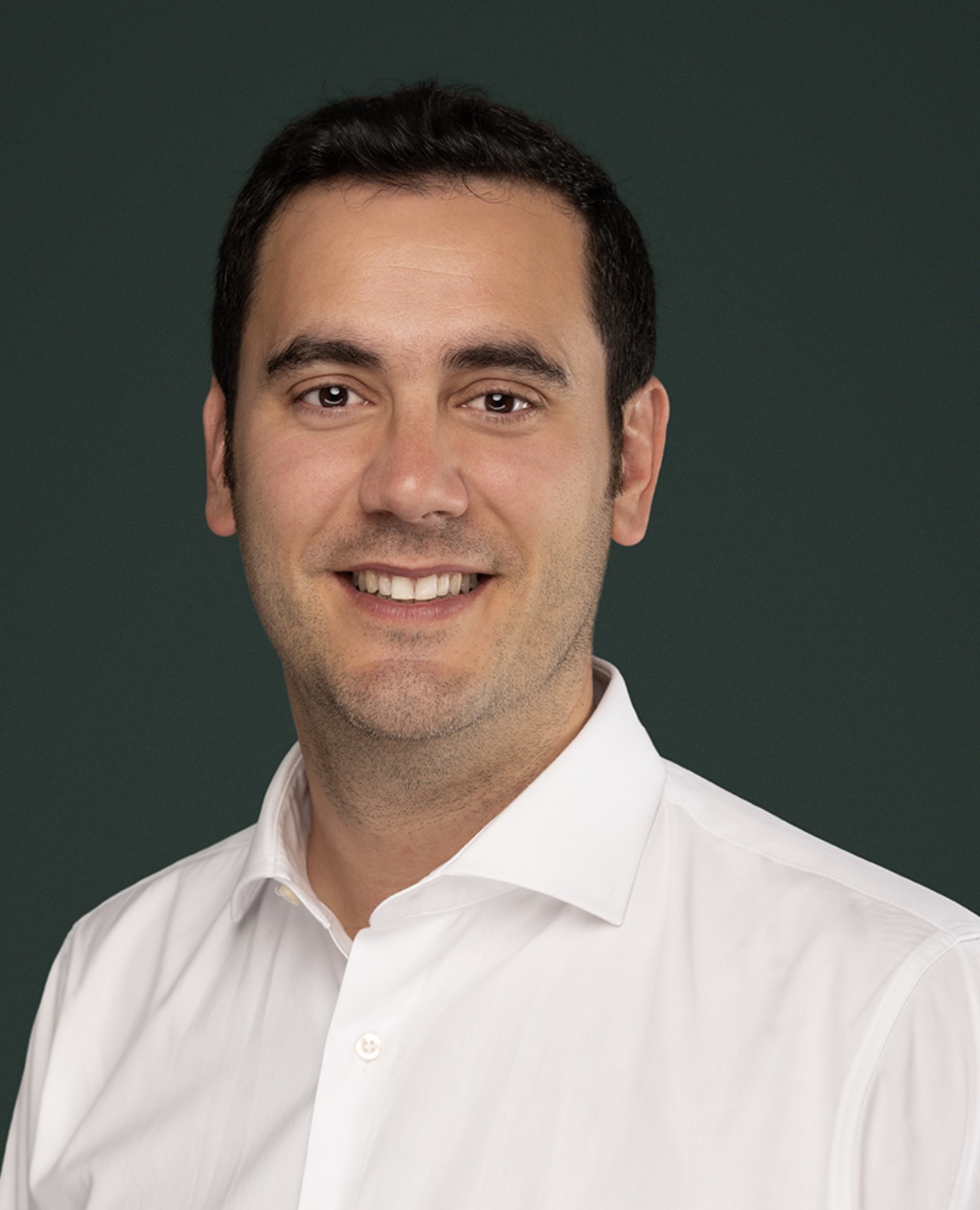
I spent four years in the litigation and arbitration team at Garrigues in Barcelona. It was an outstanding team, led by three exceptional lawyers: Josep Ensesa, Carlota Paytuvi and Mayte Cuberta, each of whom shaped my development differently. Josep taught me to analyse every case as a whole and never lose sight of what common lawyers call the big picture. From Carlota I learned the importance of communicating clearly, firmly and precisely. Mayte taught me that cases evolve, and that a thorough command of the documents, however irrelevant they may seem at first, is often decisive.
My move to the United States was a decision I had been weighing for several years. My elder brother, Antonio, had taken a similar path four years earlier, leaving Cuatrecasas for a master’s in the United States and staying on to build his career there. In 2013 most of the major international arbitration practices focused on Latin America were in the United States or London, with a few in Paris. In Spain there were very few practices devoted exclusively to arbitration, which is what I wanted to do, and fewer still focused on Latin America. Add to that my wish to gain professional experience abroad. I initially saw it as a two- or three-year stint. Fourteen years have now passed since I made that decision, and my time in the United States continues.
Andrés Arnaldos
I spent almost three years as an associate in the corporate department of Cuatrecasas in Barcelona. The M&A market was very active, and we advised on large cross-border transactions as well as small and mid-sized domestic deals, alongside real estate transactions, corporate law and commercial contracts: a broad range of work.
While studying law at the University of Murcia, I took two courses at Georgetown University’s School of Foreign Service, and from then on I intended to return to the US for a master’s or a doctorate. At Cuatrecasas I met lawyers who had taken an LL.M. in the US, passed the New York bar exam and worked at US firms, and in my second year as an associate I decided to make the move.
Damián Vallejo
I began my career at Albors Galiano & Portales in Barcelona, a firm focused on maritime and port law, insurance and reinsurance, and international trade. After almost four years there, and having worked on international matters, I became interested in international arbitration; many complex disputes in shipping, reinsurance and international trade are resolved that way. When I was a student, international arbitration did not carry the academic weight it has today, so I looked for a programme that would let me study it in depth. That search took me out of Spain and to the United States, to take an LL.M. at Georgetown University Law Center. The decision itself was simple and quick; the process of getting to the United States for the LL.M. takes time.
Simón Navarro
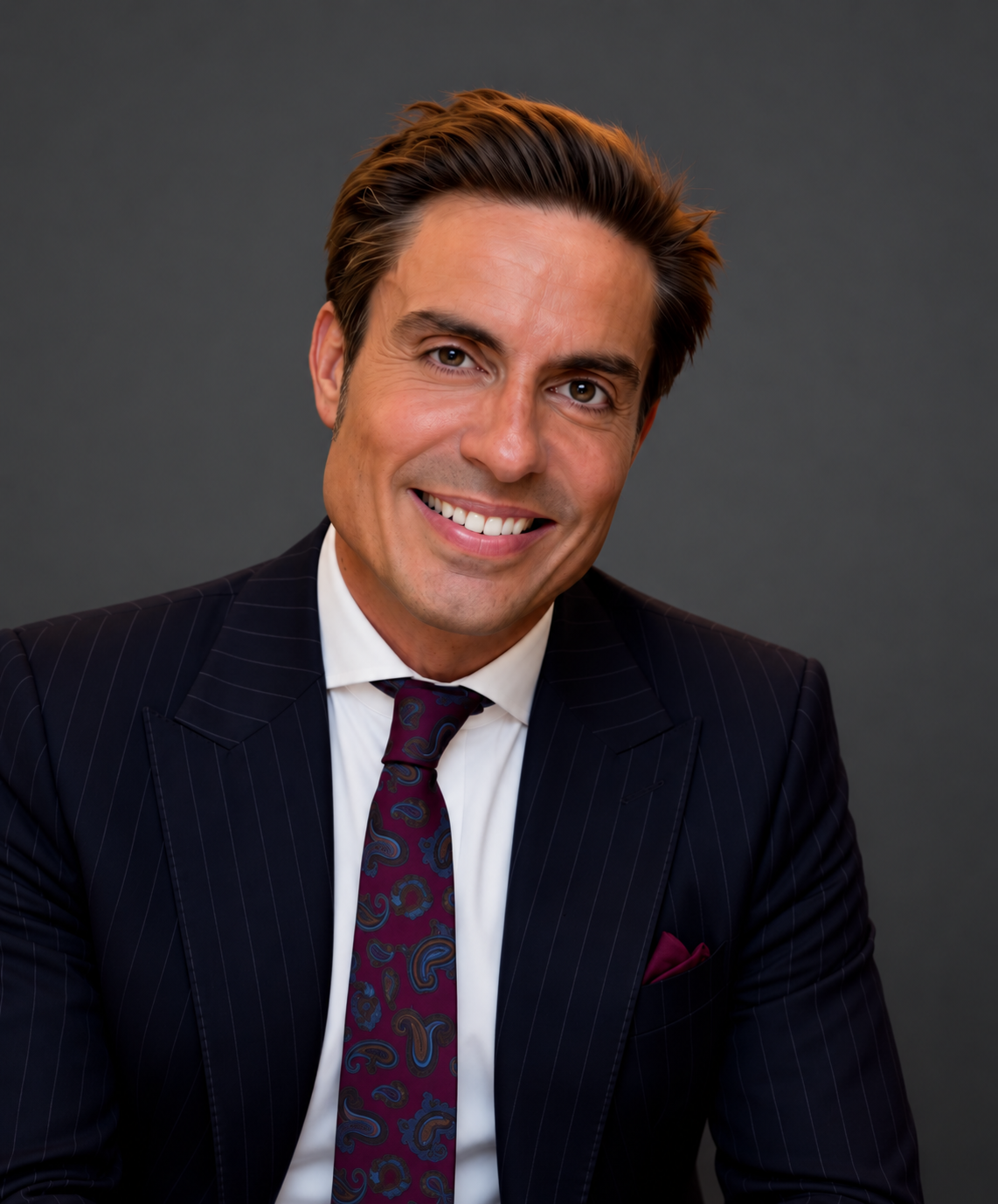
I began my career at Uría Menéndez, where I spent seven years, followed by two at Clifford Chance. My ambition had always been to study and work in the United States, but the urgent sometimes crowds out the important, and I made the decision in my mid-thirties. Contrary to what I thought at the time, that proved an advantage. At that age you have the legal grounding to make the most of a US university, and the maturity to forge your own path in a new environment. I would choose the same moment again.
Javier Fernández-Samaniego
I was managing partner of Bird & Bird in Spain, a London-based firm whose Madrid office I opened at the end of 2005. I had been practising for two decades, the last ten of them running the Madrid office of that international firm.
The decision had personal and professional components. My twins were eight at the time, and we felt it was a good moment for them to immerse themselves in the US.
For several years I had been attending the ICC’s Latin America conference in Miami, which was already establishing itself as a Latin American hub and a centre for dispute resolution. I was also on the firm’s US committee. Those were the years of what was then called the “uberisation” of the economy, when “alternative” firm models were emerging that combined elements of a law firm, a technology consultancy and a strategy consultancy to deliver legal solutions.
I felt the time had come to leave Big Law and start my own business, and that Miami, with a clear focus on Latin America, was the place to do it, while keeping one foot in Madrid.
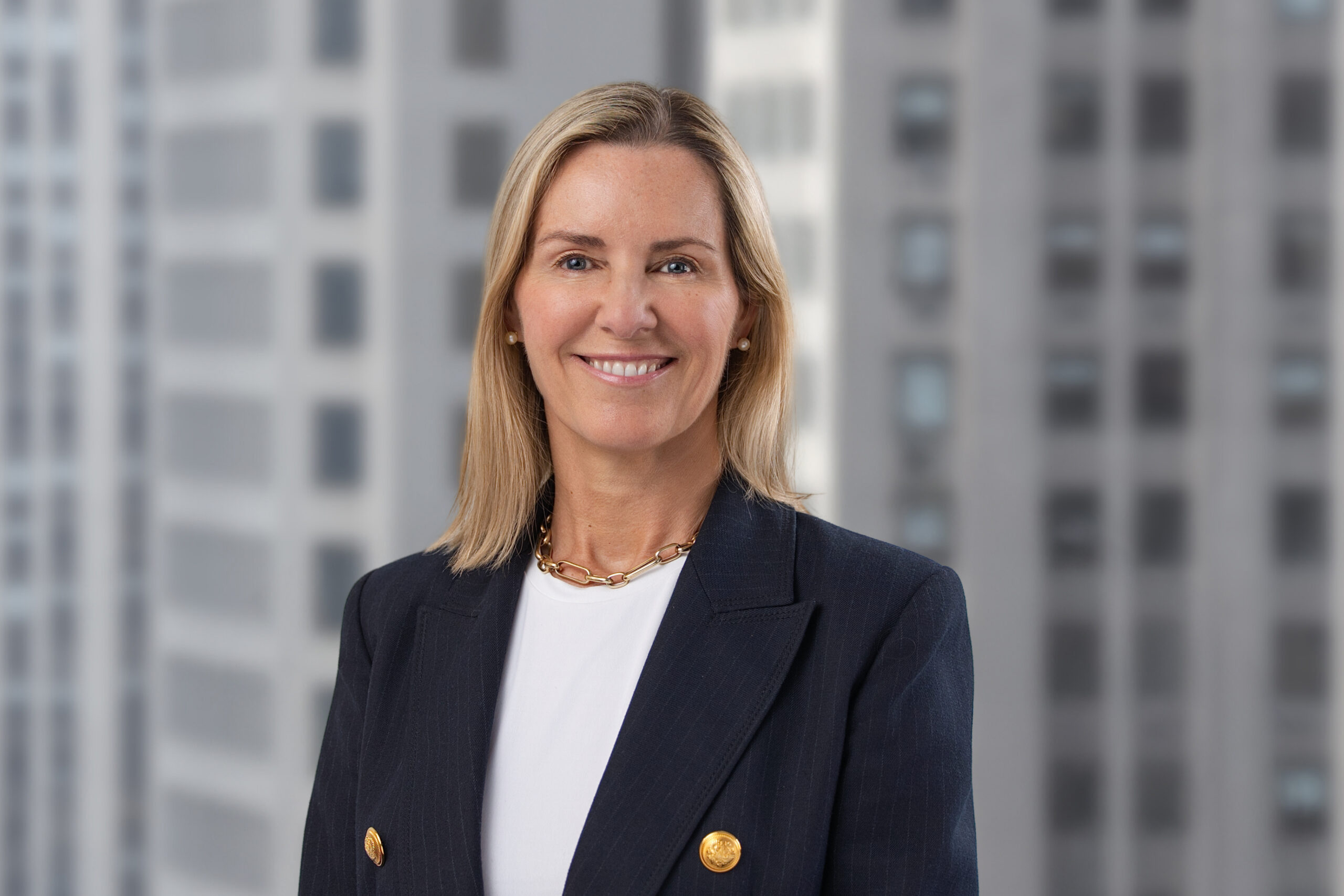
Isabel Fernández de la Cuesta
I studied in Madrid and Paris, taking a dual law degree from Complutense University and the Sorbonne (Paris I), followed by a master’s from IE Business School. I was admitted to the Madrid Bar in 2003, but that same year I crossed the Atlantic to join Fulbright & Jaworski in Houston. The reason was personal: I went to Houston to be with my then boyfriend, now my husband. The professional dimension came later, and not by chance. Houston was the energy capital of the world, and there was demand for lawyers with international legal training and several languages.
In 2005 I joined King & Spalding, in Doak Bishop’s international arbitration group, and spent almost 20 years there, first in Houston and then in New York, where I was made partner in 2020. They were demanding years, with a heavy load of complex commercial and investment matters.
Was the move to independent practice long considered or sudden? Long considered. I had already received several arbitral appointments while at King & Spalding, but at a firm of that size conflicts of interest became impossible to manage. I had to choose, and I chose to sit as an arbitrator. I made the move in April 2023.
When a track record does not travel on its own
Their experience opened doors, but it did not always carry them through. García Cueto describes a long process of explaining what Garrigues represented in the Spanish market and what responsibilities its associates took on. Vallejo lists the obstacles a foreign lawyer faces in the job market, from global competition to work visas. Fernández-Samaniego, who arrived after running Bird & Bird’s Madrid office, recalls the anxiety of the immigration process. Experiences vary, however: Sabater and Morán describe a warm reception from the outset. For Fernández de la Cuesta the question is reversed: when did she feel her name could stand on its own, without the structure of a large firm behind it?
Andrés Arnaldos

I remember a client who, in front of me and referring to me, told the partner in charge of the matter that he would rather have an American associate than an “international” one. The partner explained that I was as well prepared as anyone, but I could not ignore the client’s discomfort at having me on the team. It made me seriously doubt whether I would ever be accepted as a fully fledged American lawyer.
Damián Vallejo
Absolutely, although when I left Spain I still had a long way to go to build a career there. The sense of having to fight for everything from scratch was with me from the day I arrived. You come to the US for a master’s and assume that a good academic record at the US university should be enough. Nothing could be further from the truth. The first dose of reality comes with the job search. You compete with candidates from all over the world for a limited number of positions, many of which have already gone to others through relationships between US and foreign firms. The second comes when you realise there is far more interest in candidates from other jurisdictions than in Spanish ones; Spanish is often an advantage for certain roles, but there are more than 500 million Spanish speakers in the world and Spaniards are a very small share of them. The third obstacle is the work visa, which sharply reduces the number of foreign lawyers who manage to stay. On top of that, in the vast majority of cases prior experience in one’s home jurisdiction is not recognised, so lawyers have to start their careers again in the US. As a foreigner, I do not think that feeling ever entirely leaves you.
Javier Fernández-Samaniego
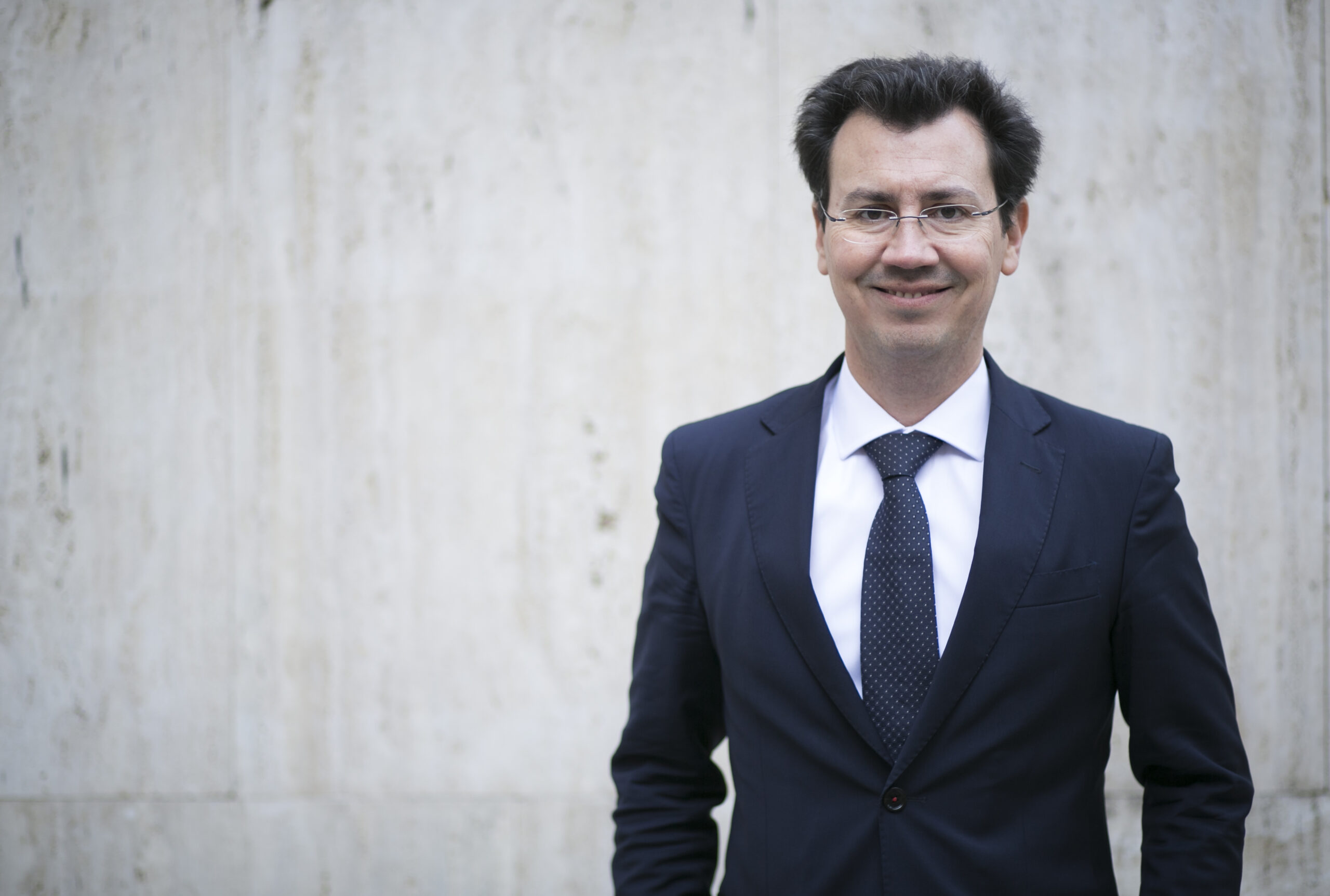
In my case that feeling has been very present in my own “American dream”, because my family and I came on our own, with no one sponsoring us. We settled on an investor visa (E-2), putting all our savings on the line and making the investment at our own risk.
My previous position and background helped me secure opportunities with prominent firms and figures in the Miami legal community in those early days. But I recall with mixed feelings the anxiety of the immigration process: mornings spent queuing at the Social Security office in Blue Lagoon, desperate because my card had not arrived. I also remember meetings with the volunteer attorney then in charge of The Florida Bar’s Foreign Legal Consultant (FLC) programme, Yine Rodriguez, now a partner at Pierson Ferdinand, where I tried, without success, to speed up my FLC certification.
Willy Chirino’s anthem “Nuestro día (ya viene llegando)” holds that resignation is the faithful companion of anyone forced to emigrate. I never resigned myself. What I learned in those years is that perseverance eventually pays off, and that what matters is who I am and what I bring, not who I was or the positions I did or did not hold.
José Ignacio García Cueto
I could not point to a specific moment. It was a long process: for years I had to build a professional profile in the new market and persuade clients and colleagues that my experience in Spain added value. That meant, among other things, explaining Garrigues’ position in the Spanish market (the firm was little known to clients without a significant presence in Spain), the scale of the matters it handled, and the level of responsibility and type of work given to associates.
In my first years in the United States, my experience in Spain was valued only when I had worked on a matter very similar to the one at hand. That was both a disadvantage and an opportunity. The disadvantage was that I had to earn people’s trust from the outset and show that I could perform even the most basic tasks with complete rigour and reliability. The opportunity was that I had already developed those skills in Spain, which allowed me to deliver work to my supervisors of equal or higher quality than that of my peers.
Margarita Oliva Sainz de Aja
Nobody knew who I was or what I had done, and I was entering a world, private practice, that was not mine. I had to build my network and my credibility from nothing.
The turning point was not a particular moment but the gradual realisation that the kind of interesting, international work I was doing in New York could not be replicated anywhere else. That was when I understood that what had begun as curiosity had become something I genuinely enjoyed, and that I wanted to build my career here.
Simón Navarro
Immigrant life is a healthy dose of humility. New York is a global economic hub, and every colleague who arrives is superbly prepared and determined to succeed. You learn quickly that you have to stand out for your present, not your past. You have to start over, to “Begin the Beguine”, as the Cole Porter song has it, but it is one of the most exciting moments of a professional career, and you should enjoy it.
Aníbal Sabater

The question generously assumes I was someone in Spain when I left, but I was at the very start of my career. It was also clear to me that staying in the United States meant becoming an American lawyer. I had to speak the same legal language as the firm’s other lawyers and its clients. That meant studying, sitting the bar exam and learning from senior lawyers. So I was well prepared to start almost from scratch and have nobody know who I was. That said, my experience in international arbitration did prove useful. I do not recall the exact details, but for salary and seniority purposes I believe Fulbright recognised five of my seven years of experience. The firm also gave me the autonomy, very early on, to meet clients and handle some matters.
In general, the US system is very inclusive, and a real effort is made to build a team and work together without anyone feeling excluded. I did not really feel like an outsider.
You ask about my first weeks. In September or October 2003, very soon after arriving in Houston, I travelled to Santa Cruz de la Sierra in Bolivia to meet an international conglomerate that had just instructed us on a construction arbitration involving a gas pipeline. I expected a sharper hierarchical divide between partners and associates, with associates speaking only when invited. That was not the case. There was a great deal of interaction. There we were in a makeshift meeting room, the lawyers (some of them very eminent), the client and the experts, eating Santa Cruz empanadas at a table laid with paper napkins.
That does not mean integration is free or a matter of goodwill. In the United States, more than elsewhere, economic productivity is closely measured and often decides a lawyer’s future.
Isabel Fernández de la Cuesta
Yes, and it came while I was still at King & Spalding, when my arbitral appointments became more frequent. The platform you work from matters, but arbitral appointments are personal. An arbitrator is chosen for judgement, independence and availability, and none of that is inherited from a structure. That was when I understood that what you build over 20 years of teamwork, in hearings, in written submissions and in dealing with colleagues from around the world, belongs to the individual.
José A. Morán
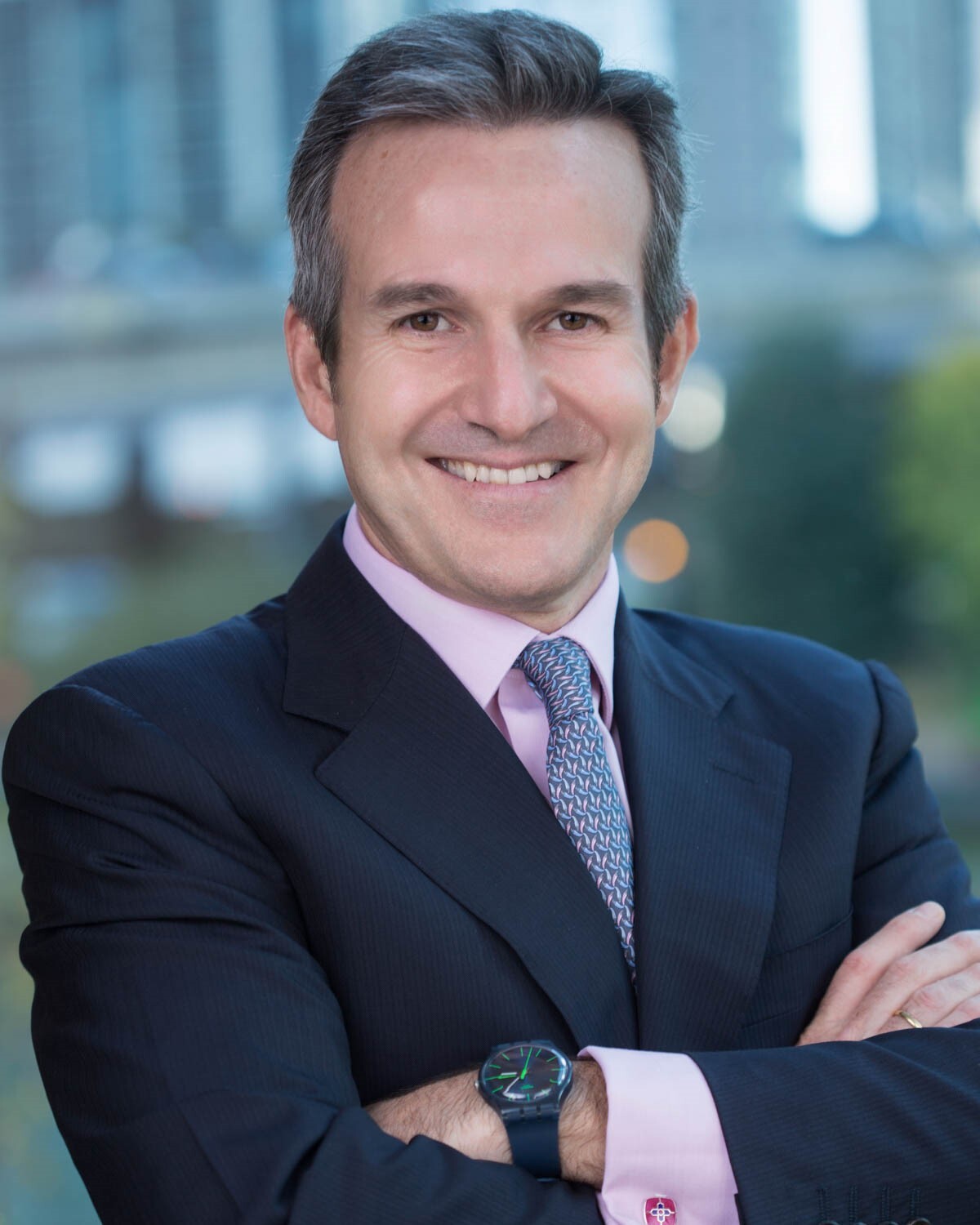
I built my career in the US. I started in New York, where I was the first Spanish lawyer to work at Simpson Thacher, and later joined Baker McKenzie in Chicago. I remember my first day at Simpson vividly. The firm was advising an Argentine company, the issuer, on a New York law-governed bond issue that had been under negotiation for several weeks.
I went up to the meeting room without knowing my colleagues or which side of the table to sit on. When I walked in and introduced myself, with the meeting already under way, my mentor, the partner John Spollen, said: “Sit here, and welcome to the team.”
That was the start of a real adventure and a period of intense learning, marked by total commitment to the clients, the partners I worked with and the needs of each transaction.
The main difference from other markets, Spain included, is that the large New York firms have been and remain the global benchmark for the legal sector. In the 1980s they grew extraordinarily, as did the investment banks that were then their main clients. The growth of the two sectors was closely linked.
In those years the volume of hostile takeovers, mergers and acquisitions and junk bond issues arranged by the large investment banks kept many firms extremely busy. That surge in deals drove both their growth and the evolution of legal advice.
Lawyers of that era became leading architects of corporate and financial transactions. Among other innovations, they designed defences against hostile takeovers, such as poison pills, which the boards of potential targets could adopt. Those firms also laid the foundations of modern sovereign debt restructuring.
After New York I joined Baker McKenzie’s Chicago office, the firm’s founding office, where it all began in 1949. I still practise there almost 30 years later, admitted in New York and Illinois. In Chicago I decided that, in addition to my LL.M., I should take a Juris Doctor at Loyola University Chicago School of Law while working as an associate in the banking and finance group, before sitting the Illinois bar exam. Those were years of long days, dedication and learning, and they were well worth it.
The hardest period was combining full-time work with completing the JD at Loyola. I had to meet my billable hours targets while taking the compulsory first-year courses, which required daily study and a vast amount of reading to prepare for the next class’s discussion. Unlike Spanish universities, US law schools use the Socratic method. On top of that, I had to prepare for the bar exam over the summer. My wife, Raquel, also a lawyer in Spain and the US, was studying for the New York exam that same summer while I prepared for Illinois, which made it far more manageable.
My mentor and direct supervisor at Baker was John Conroy. As well as being a wonderful person, John built the firm’s US banking and finance practice, was managing partner of all its US offices, sat on Baker’s global executive committee and chaired the firm for eight years. I could not have had a better mentor or a better friend at the firm.
Pay versus prospects: what really mattered
The pay gap between the United States and Spain is well known in the profession, and several of them were aware of it before moving. What they qualify is its real size. García Cueto recalls that reaching a US starting salary required an outlay of around $100,000 with no guarantee of recovering it, while Sabater, Vallejo and Oliva point to the cost of living in major US cities. For most, the deciding factor lay elsewhere: career prospects, the nature of the work or personal reasons. Fernández de la Cuesta answers from a different angle: what is lost financially by leaving a partnership at a large firm, and what is gained?
José Ignacio García Cueto
The pay differences are considerable and that was an attraction, but professional prospects and room to grow mattered far more to me. I entered the US job market in 2014. First-year salaries had then been at $160,000 since 2009, so the figure did not surprise me. I had studied the market and the potential return on investment carefully. Bear in mind that although that starting salary is the goal, reaching it requires an initial outlay of around $100,000, between the master’s and living costs, with no guarantee of recovering it.
Aníbal Sabater
The pay difference did not surprise me at first, and it was career prospects that weighed most in my decision. At the time the gap existed, but it was not as wide as it has since become. It was also offset by the fact that basic necessities (food, education, and health, car and retirement insurance) were, and still are, far more expensive in the United States than in Spain, so my standard of living did not change overnight. Today things are different. Over the past 20 years, lawyers’ salaries and profits per partner in the United States have risen more than in other countries. I do not follow the figures closely, but I understand that a first-year associate in New York can earn five to six times as much as one in Madrid. That comes at a professional cost as well as a personal one: an associate paid that much has no margin for error and, realistically, little time to develop. If you do not perform from day one, you will probably lose your job, because no firm will pay that salary to someone who is not productive. When I talk to young lawyers who decide to stay in the United States today, I think they are well aware of this: they will earn more in the short term but may be sacrificing professional stability, and money, in the long run. That is why it is unwise to base the decision on money alone.
Andrés Arnaldos
Thanks to colleagues who had worked at US firms, I knew about the salary gap between the two markets, and the salaries paid by large US firms are well known. Money was certainly a factor; so was the chance to test myself and see whether I could continue my career in another country that appealed to me greatly.
Margarita Oliva Sainz de Aja
I expected the difference because I had friends already working in New York, but what nobody tells you is how expensive it is to live in a city like New York. In relative terms, the difference in lifestyle is not that great, even though salaries differ. But that was not what decided me. What weighed most was the nature of the work, the clients and the international scope of the business.
Damián Vallejo
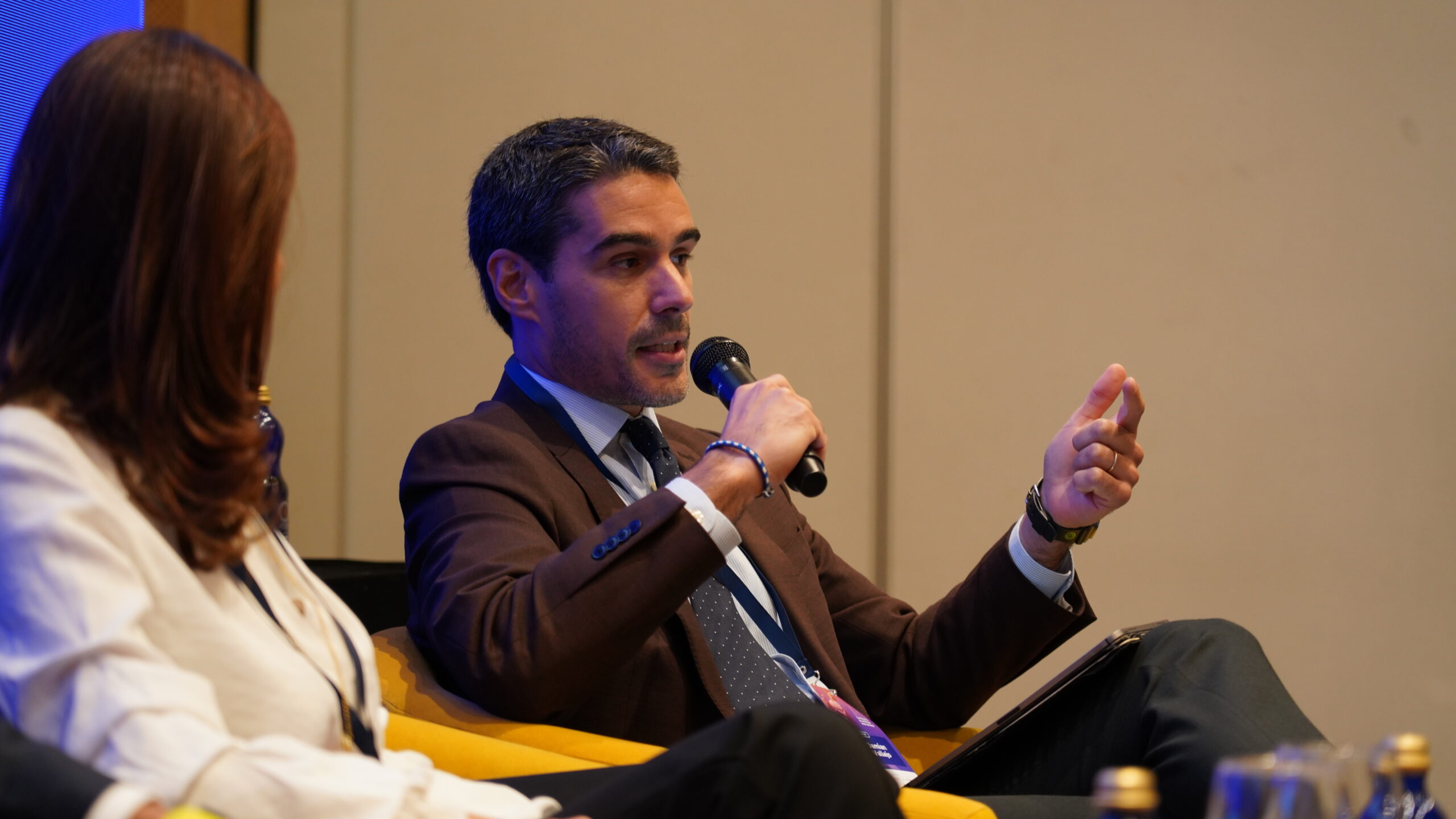
Salaries are generally higher in the US than in Spain, although the US is vast and not every part of it offers the conditions of New York or other major cities. Everything has to be put in context, since the cost of living in large US cities is usually higher than in Spain too. In my case, neither pay nor career prospects kept me here. My decision to come was professional; my decision to stay was personal. In my first year in New York I was fortunate to meet the woman who is now my wife and the mother of my children, and choosing to put that relationship first is what kept me here. Once I had made that personal decision, the professional choice was simple: I had to find a way to build my career here.
José A. Morán
The main reasons I chose to build my career in the US were the chance to take early responsibility for complex transactions, often cross-border, involving at least two jurisdictions and frequently both common law and civil law; the complexity of the advice; the sophistication of the clients and their deep knowledge of their industries; and the open, transparent way business is done in the country. I also valued the principles of merit and ability, which remain fundamental pillars of the elite US firms. My areas of practice have been infrastructure and energy, including project finance and acquisitions in both sectors.
Baker also combined several things that have always mattered to me: one of the world’s strongest energy and infrastructure project finance practices; an unrivalled global presence, established long before other firms aspired to be global (our second office after Chicago, and our first outside the US, opened in Caracas in 1955); and offices in Barcelona and Madrid. That last point was decisive, because it allowed me to stay close to Spain, my family and Spanish companies. What I clearly underestimated was the Chicago winter. Incidentally, in 2001 I worked as an expatriate in Baker’s Madrid and Barcelona offices under the firm’s Associate Training Program (ATP).
Javier Fernández-Samaniego
Money, and I could give you many examples from my life, has never been my goal but a consequence. As I said, my decision was driven by the opportunities I wanted to give my daughters, the desire to explore new horizons and the wish to be closer to Latin America.
Isabel Fernández de la Cuesta

You lose out, without question. A large firm’s platform offers predictable income, leveraged on the work of an entire firm. An arbitrator bills only for their own time, or at rates set by the institutions, and their income depends on appointments they do not control and on procedural timetables that are extended, suspended or cut short by settlement. And all the costs of the structure become yours.
What I gain is, first, independence in the literal sense: I no longer carry the conflicts of every client of a global firm, which greatly widens the range of cases I can accept. Above all, I gain control of my time. I decide which cases I take, how I run each proceeding and how I organise my diary. That is priceless.
Simón Navarro
The decision to open a new professional chapter in another market is usually driven by intellectual curiosity and a desire to keep learning. The analysis is rarely purely numerical, because the move is not without risk.
The answers in this first instalment show that the move to the United States was rarely a purely financial bet, and that a career built in Spain served as a point of entry rather than a guarantee. No two arrivals were alike: for some it meant a long process of proving themselves; for others, an easier integration than expected. In the second part, the nine lawyers discuss what came next: what they had to unlearn from the Spanish way of working, when their origins became part of their professional profile, and how they assess the journey today, inside and outside the firm.
Coming next: Part II.