
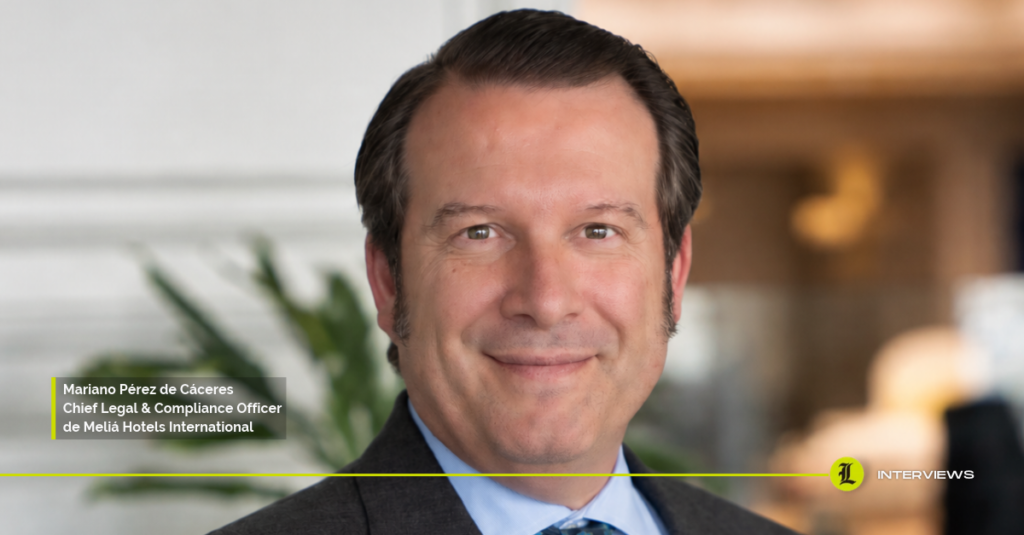
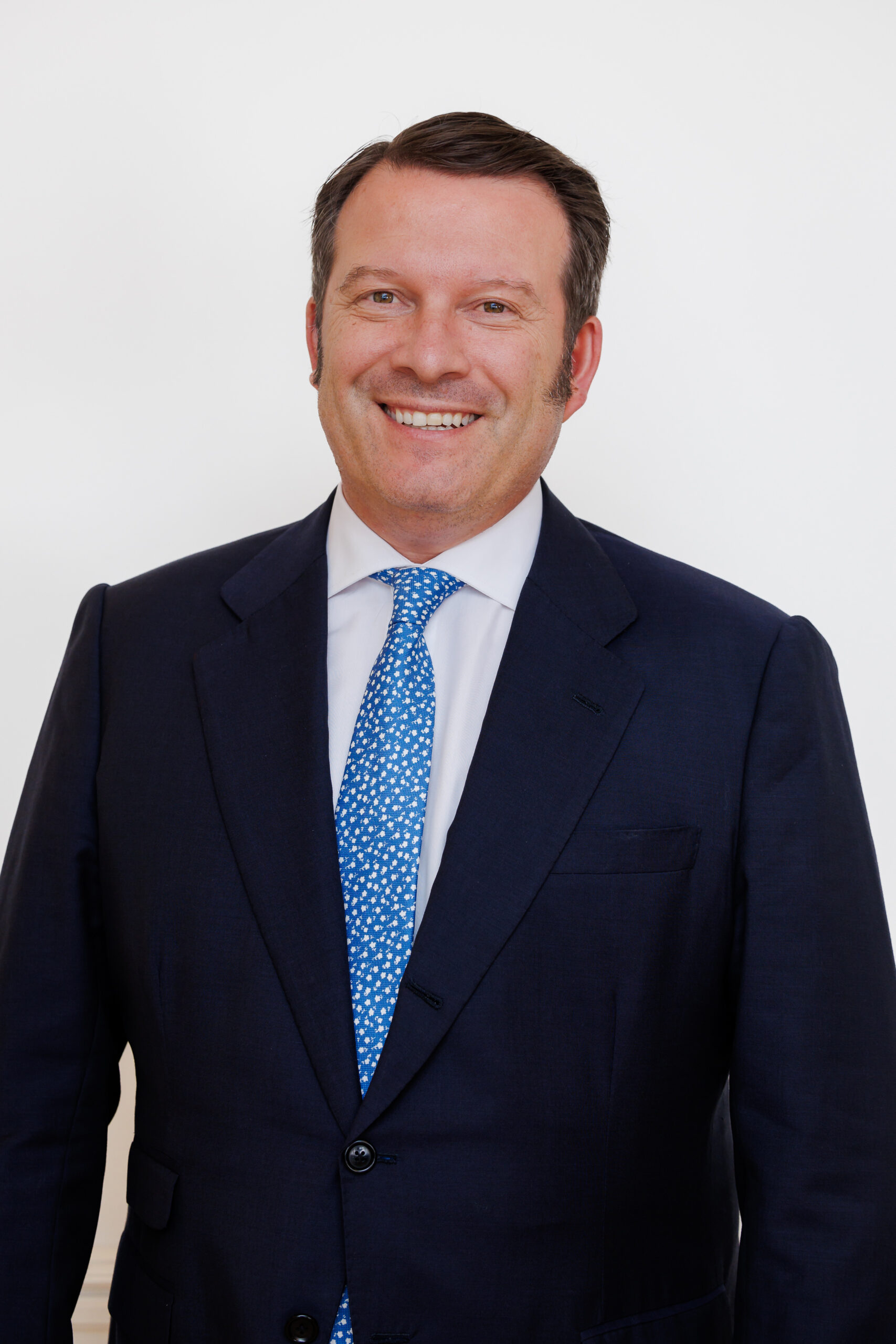
Mariano Pérez de Cáceres, Chief Legal & Compliance Officer of Meliá Hotels International, defines leadership through simple gestures: listening, being available, trusting, and being consistent, to which he adds a sense of humor. With these, he seeks something he considers fundamental: for his team to lose the fear of raising doubts, making decisions, and acknowledging mistakes. This approach instills in his people the same principles he applies to the business. If a company must understand its risks and assume them “consciously and in a controlled manner,” its professionals, he argues, need space to “decide, make mistakes, learn, and decide again.” He also warns that many abilities remain untapped due to “a misguided sense of caution.” For Pérez de Cáceres, this environment of trust is what endures: “In the end, people remember less the speeches and more how they were treated when they needed support, guidance, or trust”.
Leadership is demonstrated both in major decisions and in daily work. In your opinion, what everyday actions define a good leader?
Probably the simplest gestures: listening, being available, trusting, and being consistent. And I would add something that for me is fundamental: having a sense of humor and trying to get my team to lose their fear of asking questions, making decisions, and acknowledging mistakes in order to learn from them.
Leadership is demonstrated especially in everyday life: in how a different opinion is listened to, how one reacts to a mistake and how its correction is proposed, whether the work of others is honestly recognized, and whether people feel they can raise a potential problem before it becomes something bigger.
I also believe in empowering people. When you have good, reliable, and responsible professionals, leading doesn’t mean having all the answers or intervening in every decision, but rather establishing a clear framework, offering sound judgment when necessary, and then trusting them.
That trust requires genuine delegation and creating a safe enough environment for people to dare to propose, decide, take responsibility, and learn from mistakes.
In the end, people remember less the speeches themselves and more how they were treated when they needed support, guidance, or trust. That’s why delegating also means accepting that someone else might achieve a good result through a different path than mine.
A leader is also measured by the professionals they prepare to succeed them. How do they train those who could assume their responsibilities tomorrow?
I don’t believe that personal development should be solely focused on preparing someone for a specific job. What I try to do is help them maintain a desire to grow, expand their skills, and be prepared to take on increasingly greater responsibilities.
I strive to ensure that team members have genuine opportunities to take on responsibilities, make decisions, and face situations that challenge them both technically and personally. Legal knowledge can be acquired in many ways, but there are other essential skills that, in my opinion, are only developed through experience and a constant drive for self-improvement.
The challenge isn’t just finding technically brilliant professionals—which isn’t easy either—but ensuring that talented people can advance. To do this, they need space to make decisions, make mistakes, learn, and decide again.
Experience has also shown me the value of surrounding myself with different people. The cultural diversity of our team allows us to incorporate different perspectives and improves the quality of our decisions.
Often the capabilities are already there, ready to develop and evolve, but a misguided sense of caution prevents them from emerging.
You lead both the legal and compliance functions. What does integrating these two responsibilities bring to your leadership?
There are surely more, but four words spontaneously come to mind: reflection, anticipation, method, and discipline.
The legal and compliance function at Meliá encompasses not only the responsibilities inherent to both disciplines, but also supporting the Audit and Compliance Committee in exercising its powers regarding risk control and internal audit. These are distinct disciplines, with their own methodologies and independence requirements, but they offer complementary perspectives: Legal provides analysis and legal expertise; Compliance ensures consistency between our actions, obligations, and values; Risk Management allows us to anticipate scenarios; Audit provides an independent viewpoint; and Corporate Governance helps ensure that decisions are made within a sound and responsible framework.
The value lies precisely in connecting all these perspectives without blurring their functions or compromising their inherent independence of judgment. A company cannot aspire to operate in a risk-free environment. Not only is this impossible, especially in an international context, but it would also be incompatible with the need to innovate and progress. The key is to understand the risks and manage them consciously and responsibly. Our role is to help navigate this path: clearing the way whenever possible, proposing directions and limits, and, in any case, offering alternatives that enable progress.
My responsibility, therefore, is to help in that journey, ensuring independence of judgment, autonomy of functions and maintaining a constant balance between rigor and pragmatism.
In the hotel industry, a company’s reputation is tested with every customer experience. What role does the legal function play in protecting that reputation?
We all agree that reputation is one of the hardest assets to build and one of the easiest to damage. In tourism, moreover, it is built every day through thousands of interactions.
However, it would be a mistake to think that protecting reputation is solely the responsibility of certain departments within an organization. It is a shared responsibility that must be exercised before a reputational crisis arises; by then, it will likely be too late.
Our role is to help ensure consistency between what the company says, what it commits to, and what it ultimately does. This involves regulatory compliance, corporate governance, proper risk management, and internal control and verification mechanisms that build trust and security.
In a global company, this shared responsibility must also be exercised in very different regulatory and cultural realities. This requires solid principles, but also the ability to understand each context and maintain consistency in decision-making, even in complex situations.
Therefore, the responsibility of this function begins before a problem exists: anticipating is one of the most important contributions that a legal function can make today.
Your career in tourism predates your arrival at Meliá. What attracted you to this sector to pursue your legal career?
Its dynamism, undoubtedly, and the extraordinary breadth of legal realities and business and strategic models that coexist in the sector, especially due to its international dimension.
Behind a hotel stay—something that may seem simple to the customer—lies an extraordinarily complex and multifaceted business reality: investment, financing, ownership and asset management, technology, distribution, consumers, talent, and sustainability. And, of course, reputation: one of the most delicate assets to manage because it is directly linked to people’s expectations.
My connection to tourism goes back a long way. Before joining Meliá, I had already worked in the sector during my time at the Barceló Group, participating in pioneering corporate travel operations and in the creation of some of the first investment funds for vacation hotels in the Caribbean. I discovered an industry where the law is particularly close to business and to people.
After all these years, I continue to find the tourism and hospitality sector’s capacity to evolve and adapt to customer expectations particularly stimulating. If we add to this the progressive digitalization and automation of the hotel model, the new habits of increasingly demanding guests, and the distribution models emerging with the specialization of artificial intelligence, I am certain that new questions and needs will arise, along with regulatory changes that aren’t even on the table today. I am excited to be able to participate in this evolution.
You are a member of the jury for the Gala Nacional del Derecho– Legal Leadership Awards 2026, which recognize excellence in marketing, communication, and business development within the legal sector. What role do events like this gala play in building community within the legal sector?
They undoubtedly fulfill an increasingly important role, especially because for many years those of us who worked in-house felt quite isolated as a professional community. The legal sector was primarily structured around law firms, which concentrated visibility, fostered community, and provided a significant portion of the recognition.
That has already changed. Established initiatives like these awards help to give visibility and structure to a community that already existed, but which hadn’t quite solidified. They also contribute to recognizing that in-house counsel is not simply the firm’s client, but a professional with their own challenges, skills, and responsibilities, and they help to better communicate the value we bring. Technical quality remains essential, but it’s no longer enough to assume it speaks for itself.
Furthermore, the conversation can no longer be limited exclusively to the legal field. Technological transformation and artificial intelligence are bringing in-house legal departments closer to professionals in legal operations, technology, communications, finance, and risk management, forcing us to re-evaluate how we produce and deliver our services and where they truly add value.
Therefore, these initiatives offer real value when they go beyond mere recognition, serving instead to share experiences, challenge existing models, and raise professional standards. Professional prestige lies not only in doing our own work well, but also in contributing to building a more connected and innovative legal sector.
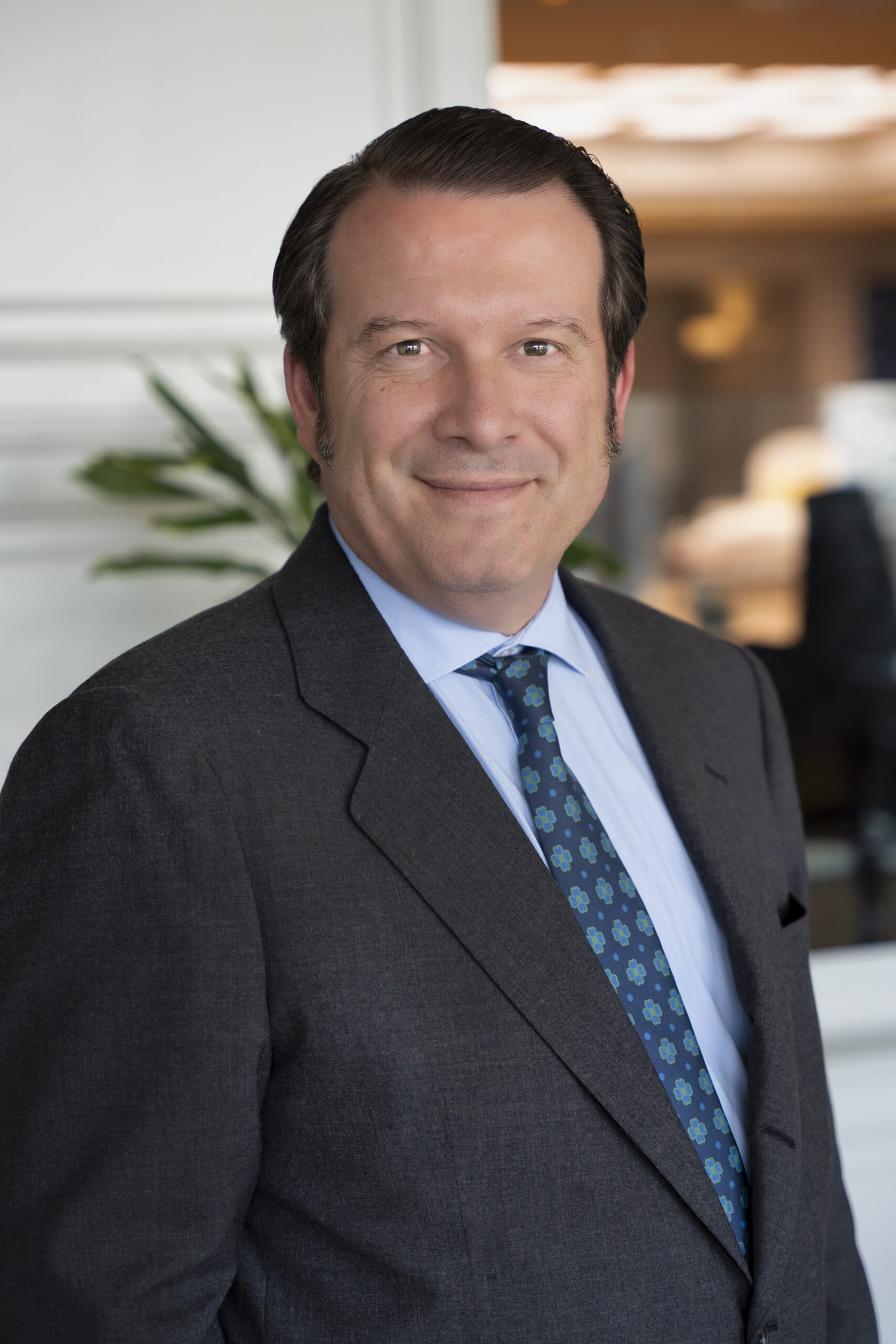
The conversation with Mariano Pérez de Cáceres offers an insight into the in-house role that extends beyond the company itself. As a judge for the Legal Leadership Awards, he recalls that for years in-house lawyers were “quite isolated as a professional community” in a sector structured around law firms, and he believes that this scenario has changed. From this, he draws a demand for the profession: to communicate the value it brings, because technical expertise, he warns, “is no longer enough to assume it speaks for itself.” He adds to this trend the rise of artificial intelligence, which, he points out, is bringing in-house legal departments closer to those with expertise in legal operations, technology, communications, finance, and risk management, and is forcing a review of how legal services are produced and delivered. In his own sector, he anticipates a similar shift: the digitalization of the hotel model, more demanding guests, and new distribution models supported by AI will, in his opinion, bring regulatory changes “that aren’t even on the table today.” The anticipation that Pérez de Cáceres calls for in risk and reputation management is also the key with which he interprets the future of the profession.