
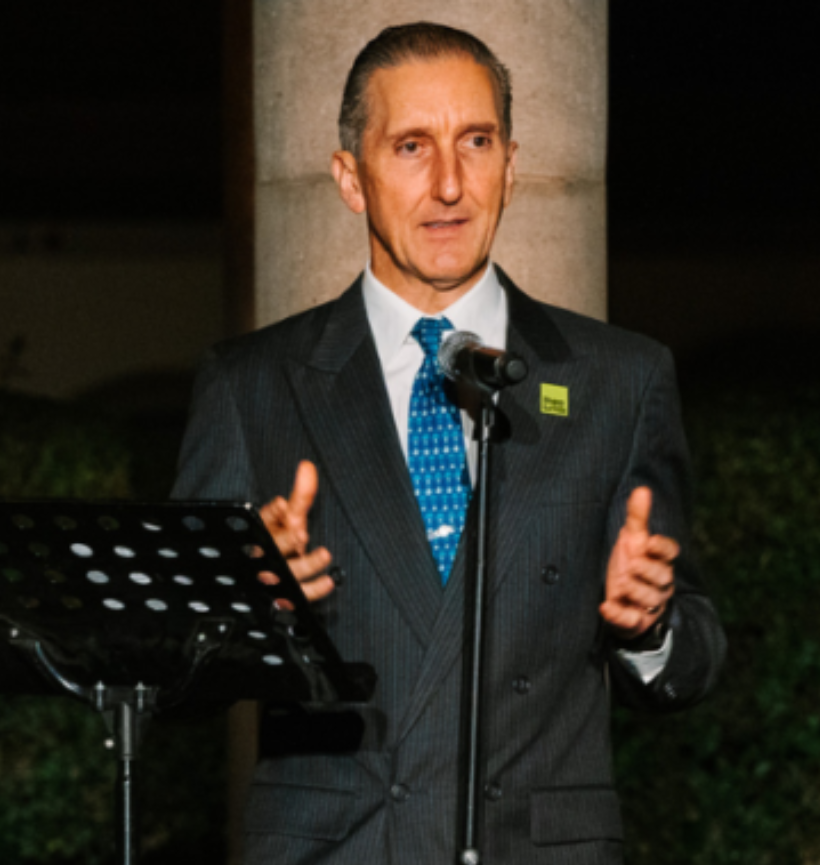
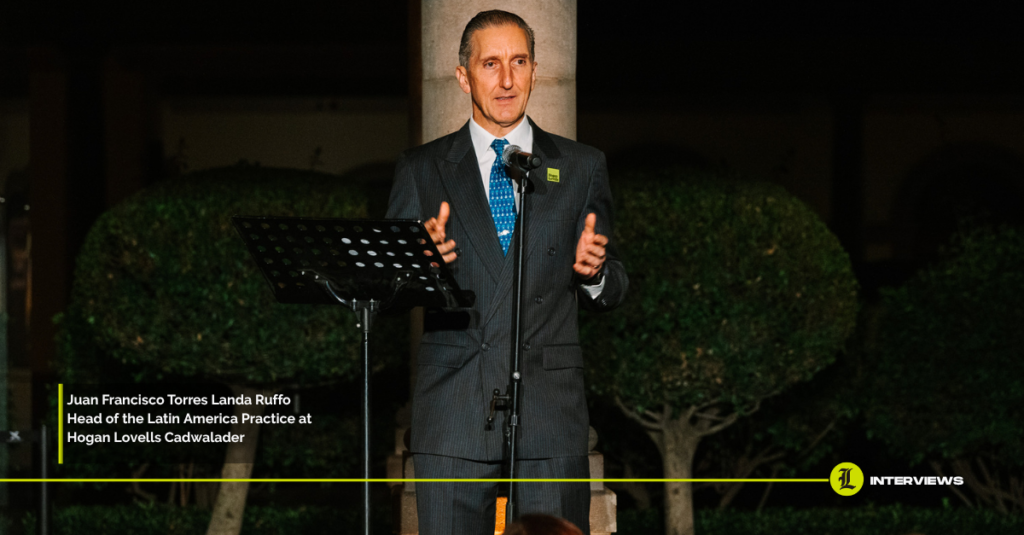
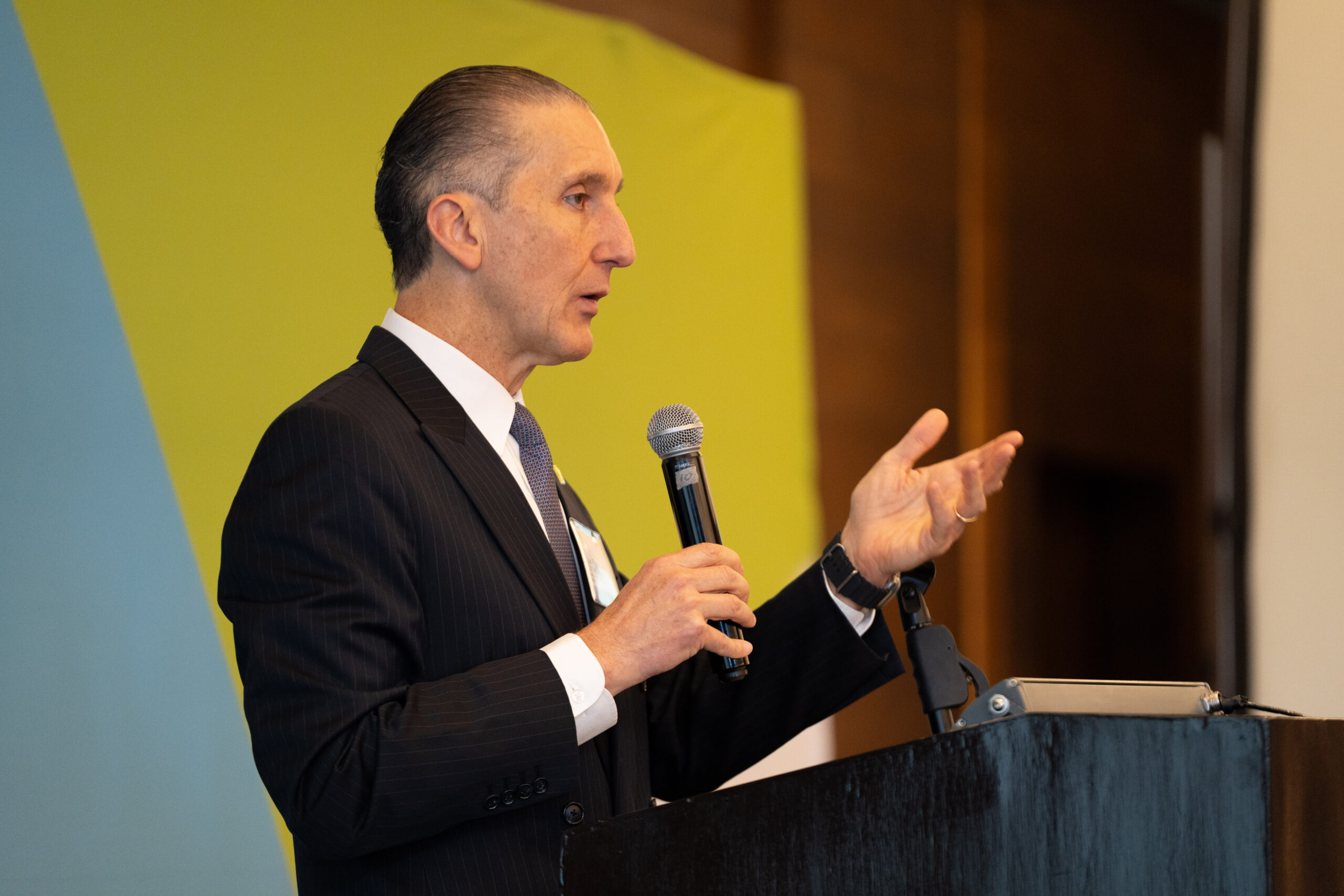
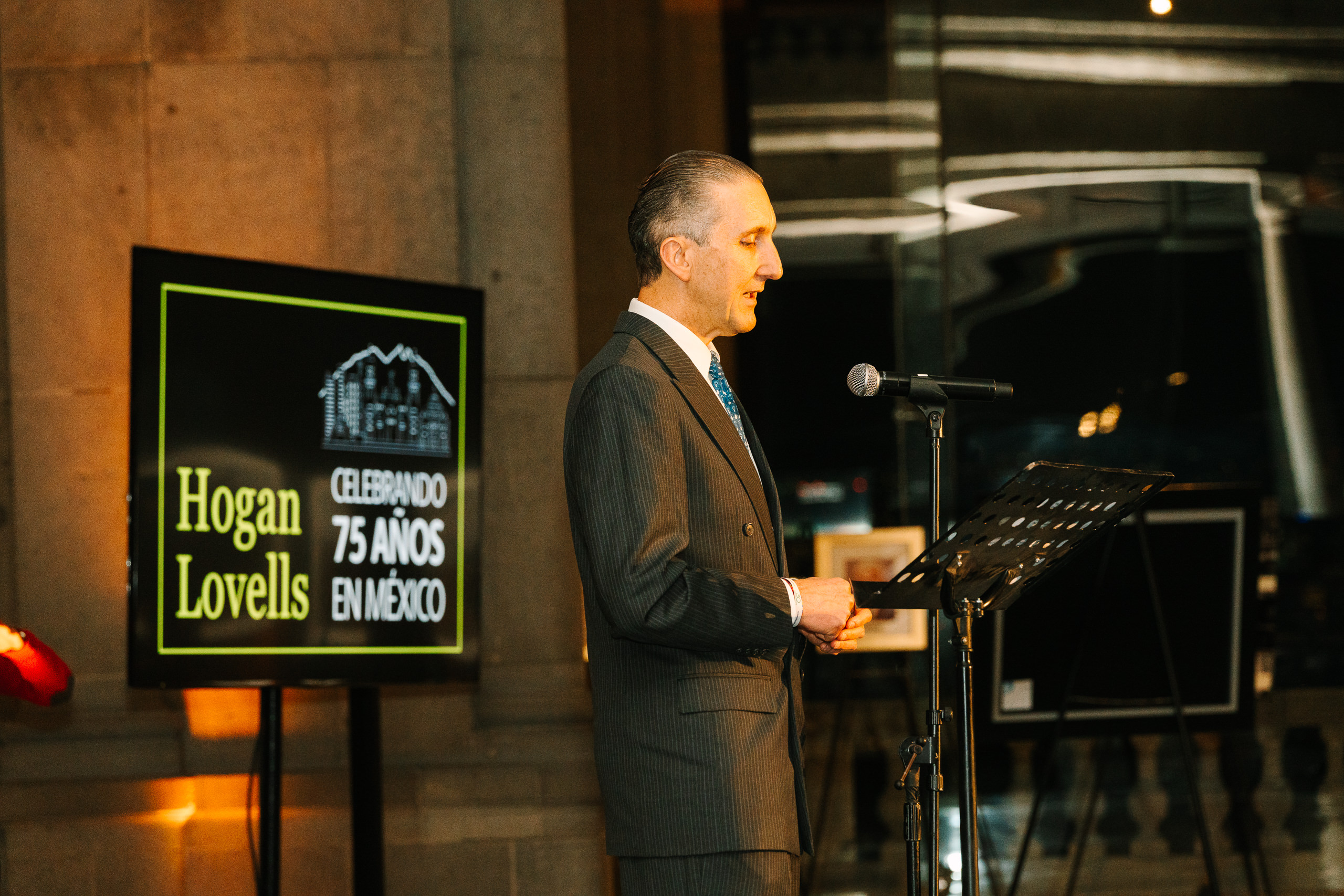
With over 40 years of experience and leading the Latin American practice of Hogan Lovells Cadwalader, the firm resulting from the merger between Hogan Lovells and Cadwalader Wickersham & Taft—the largest combination in the history of the legal sector— Juan Francisco Torres Landa Ruffo is now facing a case that a year ago did not demand the same urgency: the tightening of secondary US sanctions against Cuba, which the Trump administration extended in May to the financial sector and which threatens to affect third countries like Mexico due to their trade relations with the island. The lawyer explains what this moment demands of him—regulatory agility, leadership of teams in multiple jurisdictions, and a long-term perspective that only decades can provide—and why companies with no direct operations in Cuba may now be exposed through suppliers, logistics routes, or correspondent banking relationships. Torres Landa will delve deeper into this topic during his participation in the Foro Gerencias Legales México 2026, which will take place on September 3 in Mexico City.
Since our last conversation in October 2025, Hogan Lovells has merged with Cadwalader Wickersham & Taft to form Hogan Lovells Cadwalader, the largest firm combination in the history of the legal sector, with more than 3,200 lawyers and nearly $3.9 billion in combined revenue. What specifically changes for your clients in Mexico and Latin America with the structured finance and capital markets capabilities that Cadwalader brings?
What’s changing is very concrete: our clients in the region now have direct access to one of the world’s most renowned structured finance and capital markets practices. For decades, Cadwalader has been a global leader in securitization, leveraged finance, and debt issuance. For our Mexican and Latin American clients, this means we can support them in complex capital markets transactions—cross-border issuances, securitizations, syndicated loans—with an integrated team that understands both local regulations and the international financial architecture. This is no longer a referral to a third party; it’s now an in-house capability, with teams that operate under a shared culture and possess a deep understanding of the region’s needs.
Were there any adjustments to your own practice or to the Latin America team as a direct result of the integration?
The integration has been remarkably smooth for our Latin American practice. From an organizational perspective, my role as Head of the Latin American Practice has been strengthened, as I now coordinate the service offerings of a broader platform. We have incorporated new lines of expertise—particularly in structured finance and fund advisory services—that complement our traditional work in M&A, regulatory compliance, and corporate governance. In terms of our team, the combination allows us to attract talent that previously would have looked exclusively to Wall Street-focused firms. The value proposition for a junior lawyer interested in Latin America is now more comprehensive.
As Chair of the Latam Practice, you are currently facing one of the most intense periods of regulatory tension in decades: the Trump administration declared a “national emergency” regarding Cuba in January, expanded sanctions on the Cuban financial sector in May, and threatened tariffs on third countries—including Mexico, for oil supplies through Pemex—that do business with the island. From a strictly legal and compliance perspective, what type of Latin American or multinational client is currently most exposed to this risk, even if they do not have direct operations in Cuba?
The most vulnerable profile is that of companies with uncertain supply chains or indirect business relationships that touch the Cuban financial system without necessarily being aware of it. I’m thinking of multinationals in the energy sector, shipping companies, logistics firms, and, increasingly importantly, financial institutions that process payments in dollars or maintain correspondent banking relationships with banks that have some connection to Cuba. Mexican companies in the tourism or food sectors that have historically maintained trade relations with the island are also at risk. What has changed radically is the scope of secondary sanctions: today you don’t need to have an office in Havana to be at risk. It’s enough for one link in your supply chain or a business partner to have even a minor connection with sanctioned Cuban entities.
With secondary sanctions affecting financial institutions and companies in third countries, what are you recommending to clients who may not even know they have indirect exposure to Cuba through suppliers, partners, or supply chains?
The first thing I recommend is a rigorous risk mapping exercise across the value chain. Many clients are surprised to discover that a second- or third-tier supplier has ties to Cuba. We are recommending targeted compliance audits focused on sanctions, with reviews of counterparties, payment flows, and logistics routes. We also emphasize updating contractual compliance clauses with suppliers, including specific representations regarding the absence of links to sanctioned jurisdictions. And a crucial point: internal training. Our clients’ compliance teams need to understand that the landscape has changed and that exposure can go unnoticed. The cost of failing to act proactively is extremely high: from exclusion from the dollar financial system to civil and criminal penalties under U.S. law.
The Foro Gerencias Legales México 2026, to be held on September 3 in Mexico City, includes a closing panel entitled “Operating in High-Risk Environments: Compliance Strategies and Corporate Resilience.” Given your current practice, what would you say to the attending general counsels about managing operations when geopolitical risk shifts from month to month, as has happened with Cuba this year?
I would tell them three things. First, that compliance can no longer be reactive or static; it needs to be a living system that updates as quickly as sanctions and executive orders change. Second, that they invest in regulatory intelligence: it’s not enough to monitor local legislation; they need to follow, in real time, the decisions of the OFAC, the Treasury Department, and the political signals that anticipate changes. And third, that they build operational resilience. This means having contingency plans for scenarios in which a business relationship or a supply route becomes toxic overnight. A corporate governance (CG) team that understands this as a strategic—and not merely defensive—function will be much better able to protect its organization.
You participated as a panelist in the 2025 edition of this forum. How different is the conversation with the region’s general counsel in 2026 compared to just a year ago, considering everything that has changed?
The difference is striking. A year ago, the conversation revolved more around anticipated risks and hypothetical scenarios. Today, general counsel are managing concrete crises: tariffs imposed and suspended within weeks, sanctions extended without grace periods, and regulatory uncertainty impacting investment decisions in real time. The maturity of the conversation has also shifted. I’ve noticed that general counsel in the region are assuming a much more strategic role within their organizations; they are no longer just risk guardians, but are actively involved in business decisions, corporate structure, and supply chain restructuring. That’s both positive and necessary.
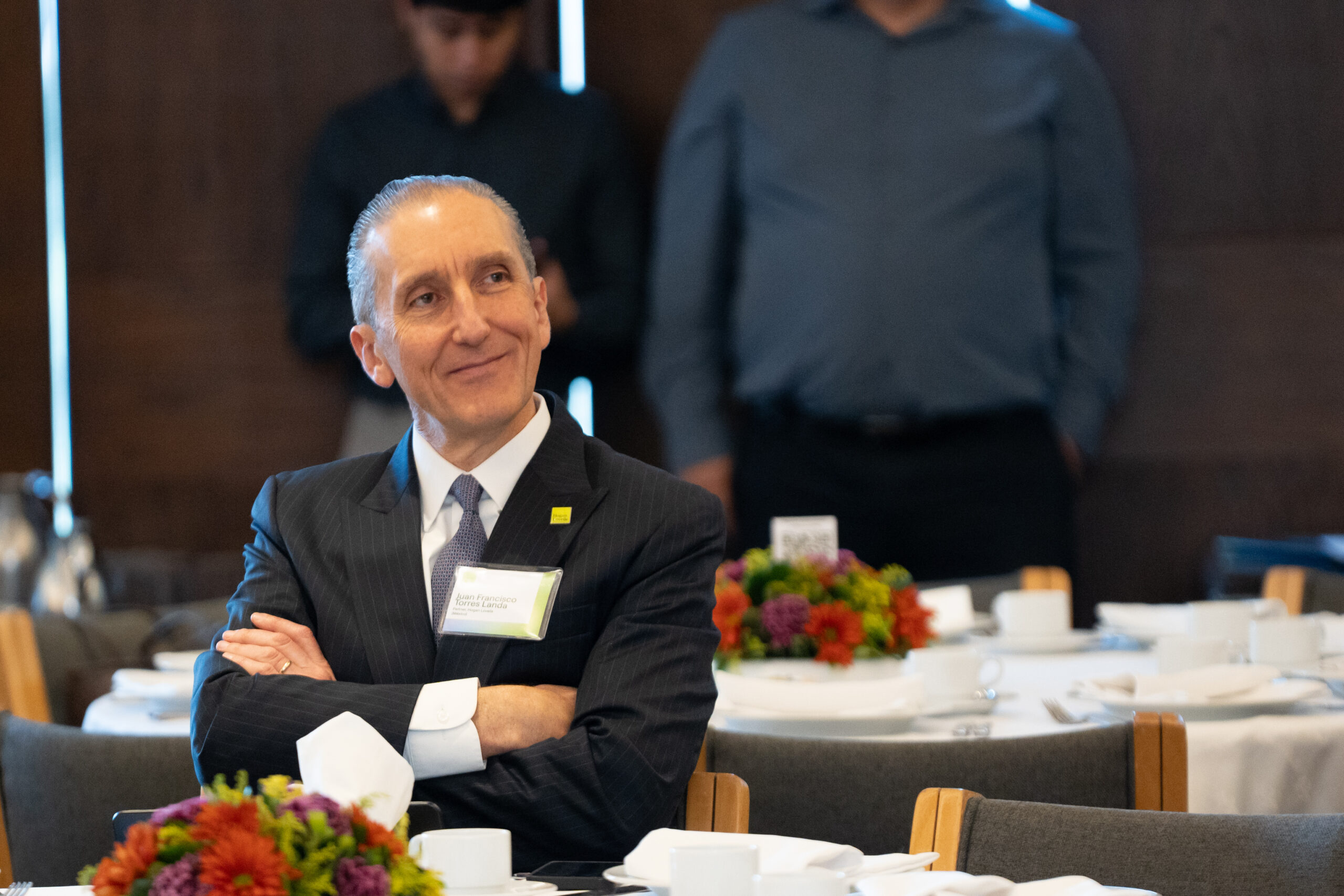
With over 40 years of experience and now leading a practice that combines Mexican corporate law with one of the most sensitive geopolitical cases in the region, what does this moment demand of you today that it didn’t a year ago?
It demands a combination of agility and depth that wasn’t as urgent before. Today, I need to be aware not only of the Mexican legal framework and U.S. regulations, but also of the political context, bilateral dynamics, and the signals coming from various government actors. It also requires more active team leadership: coordinating lawyers in multiple jurisdictions, with diverse expertise, to provide integrated solutions in very tight timeframes. And on a personal level, it demands that I maintain a long-term perspective. After four decades in this profession, I’ve seen cycles of tension and relaxation. What distinguishes a good advisor in such moments is the ability to offer calm, well-founded, and strategic advice, without being swayed by the urgency of the moment. That balance is what I need most today.