

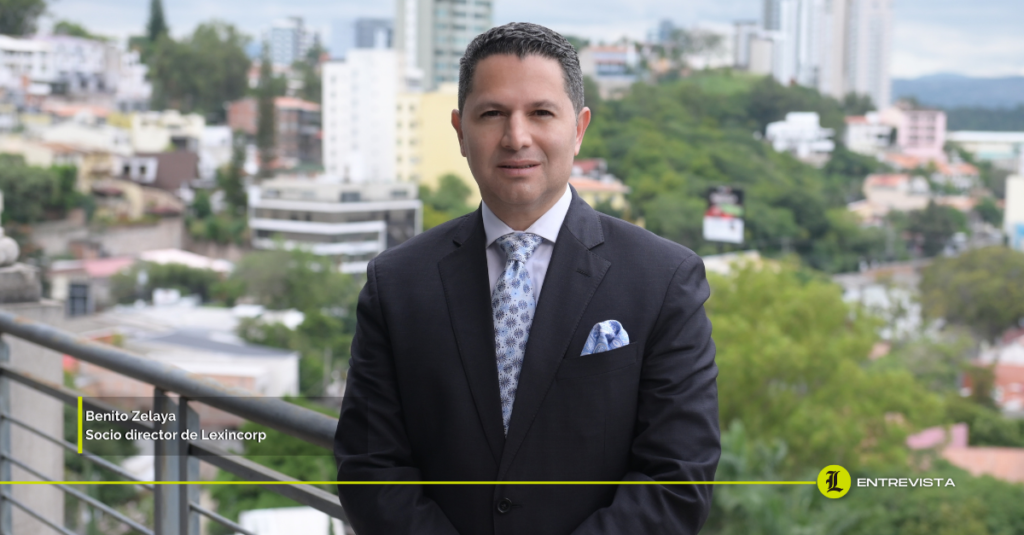
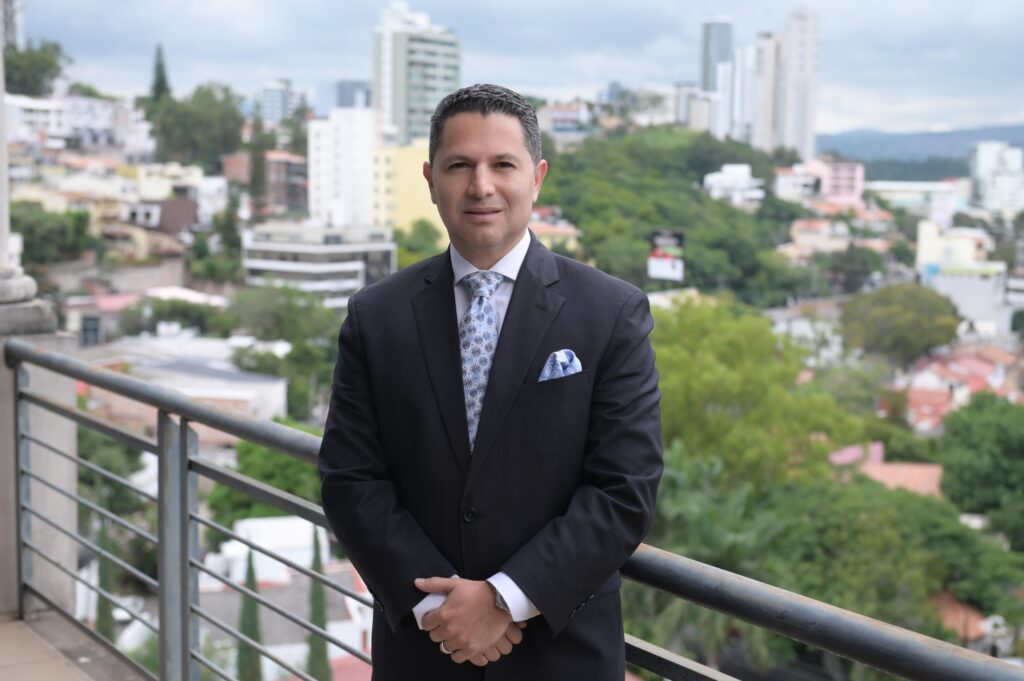
Today we spoke with Benito Zelaya, managing partner of Lexincorp, about the importance of tax planning in infrastructure projects. During the interview, we addressed the main tax challenges these projects face, such as regulatory uncertainty, the complexity of tax regimes, and coordination between jurisdictions. Zelaya emphasized the need to anticipate and properly structure contracts to optimize the tax burden, as well as the crucial role of tax incentives and the growing influence of international regulations.
He also analyzed the impact of US tariff policies and shared recommendations for mitigating tax and customs risks. Finally, he offered insights into the tax trends that will shape the future of the sector, including digitalization, transparency, and green incentives.
Importance of tax planning in infrastructure projects
According to the managing partner of Lexincorp, tax planning is one of the cornerstones of any infrastructure project. “It’s not just about complying with taxes, but about ensuring the project’s long-term sustainability. When you conduct thorough due diligence on the tax burden and implement sound tax planning from the outset, you achieve more stable cash flows, greater project profitability, more control, and less uncertainty in projects that are typically large-scale and long-term.”
Uncertainty, as the main fiscal challenge these projects face today
“In many countries, there are changes in legislation, existing regulations that are not being applied, or even practices that undermine projects initiated with incentive programs that are later not recognized due to these variables, creating legal uncertainty for investors. Added to this are the complexity of tax systems, indirect taxes such as VAT and customs duties, the lack of double taxation treaties, and the coordination between different jurisdictions when foreign capital is involved. All of this can make tax management a real challenge.”
Key tax strategies and the decisive role of incentives to optimize the tax burden on infrastructure
For Benito Zelaya, the most effective approach is “anticipating challenges, involving the fiscal team from the project design stage, and structuring contracts, investment vehicles, and Project Delivery Systems effectively—this makes a significant difference.” According to the expert, it is also crucial “to leverage international treaties and available incentives, always with rigorous due diligence. This combination of prevention and flexibility allows for adaptation to changes without compromising the project's viability.”
Regarding the role of tax incentives or exemptions in the planning of these projects, he responded that “they play a decisive role. Often, they are what make the difference between a project's viability and its failure. Customs exemptions, income tax benefits, or special regimes not only reduce costs but also send a clear signal of state support for investment. Of course, for them to work, they must be accompanied by clear rules and legal certainty. Likewise, they are a decisive factor in investors' decision-making regarding which country to invest in, based on their risk appetite for the internationalization of a company. Investors generally seek incentives, attractive business models, and alternative dispute resolution mechanisms under internationally standardized rules; all of these provide greater attractiveness and legal certainty.”
Influence of international tax regulations on the tax structuring of projects with foreign investment
“The influence is growing. Today, it’s not enough to think only about the local framework; it’s necessary to consider double taxation treaties, transfer pricing rules, and international standards that set the standard in tax matters. Ignoring these elements can lead to penalties or even the loss of tax benefits.”
That's why international planning is just as important as local planning. And here a key issue comes into play: the so-called tax shields or benefits that can be obtained by structuring instruments such as green and blue bonds. These mechanisms not only attract international capital committed to ESG criteria, but in many cases also allow access to tax incentives and more competitive financial terms. In infrastructure projects, integrating this type of sustainable financing into tax planning is not only an economic advantage, it's also a sign of commitment to sustainability that builds trust among investors and authorities.
Impact of US tariffs on tax planning and strategies to mitigate risks in infrastructure projects
According to the managing partner of Lexincorp, the impact of the tariffs is “direct.” He added that “many projects depend on equipment, technology, or materials from the United States, and any tariff change is immediately reflected in costs and schedules. If this is not considered during the planning stage, it can compromise profitability or even project deadlines.”
He added that it is important to emphasize that the effect is not uniform: “It depends heavily on the country or region where the project is implemented. Fiscal and customs conditions, as well as existing trade agreements, can mitigate or exacerbate this impact. Therefore, each project requires a tailored analysis, evaluating how changes in U.S. tariff policy interact with local and regional regulations. Only in this way can adjustments be anticipated and fiscal strategies designed to provide stability to the project.”
Regarding the recommendations made by Benito Zelaya to mitigate fiscal and customs risks linked to changes in U.S. tariff policies, he said the key is to diversify. He emphasized the importance of not depending on a single source of supply, exploring free trade agreements with other countries, and maintaining flexible customs planning. Furthermore, he stressed the importance of carefully reviewing equipment shipping logistics, assessing the costs and impacts of local procurement versus importing, and projecting how these decisions affect the budget and tax burden.
I also recommend including clauses for price adjustments, review of deadlines, and, where possible, specific force majeure clauses for tariff or regulatory changes. In contracts, these provisions allow the parties to react in an orderly manner to variations in costs or timeframes resulting from international trade modifications.
Of course, all of this must be accompanied by specialized advice that can anticipate scenarios and provide a rapid response to any changes in tariff policy. This adaptability is what guarantees stability and security for the project.”

Keys to effectively managing tax issues in infrastructure investments: anticipation, security and adaptation
“I would give them three very practical pieces of advice: anticipate, secure, and adapt. Anticipate by hiring specialized legal and tax advisors and engaging them from the very beginning of the project—that is, from its structuring and design to the management of the contract. Secure by properly documenting and structuring the project to protect it with sound risk management. And adapt, because regulations change, and you need to be able to respond with careful planning in choosing the right contract and its clauses. Sound tax management builds trust with investors and strengthens the company's reputation.”
Tax trends that will transform planning in the coming years
“I see several trends that are already shaping the future. First, greater transparency and international oversight, with increasingly strict regulations against tax evasion and avoidance. This requires projects to be designed according to global standards and with more robust structures.”
Second, the digitization of tax administration. Tax authorities are migrating to more sophisticated electronic systems that will transform how transactions are reported, monitored, and audited. This will bring greater efficiency, but will also require businesses to be better prepared.
Third, the rise of green and sustainable incentives. The energy transition and sustainable infrastructure projects will not only receive greater political and financial support, but also specific tax benefits, such as credits, deductions, and access to financing through green and blue bonds. These instruments, in addition to reducing the tax burden, align projects with ESG criteria, strengthening their reputation and ability to attract foreign investment.
According to Benito Zelaya, managing partner of Lexincorp, tax planning will no longer be seen as an isolated technical exercise but will become a strategic tool for competitiveness and sustainability, essential for infrastructure projects to thrive in an increasingly demanding global environment.