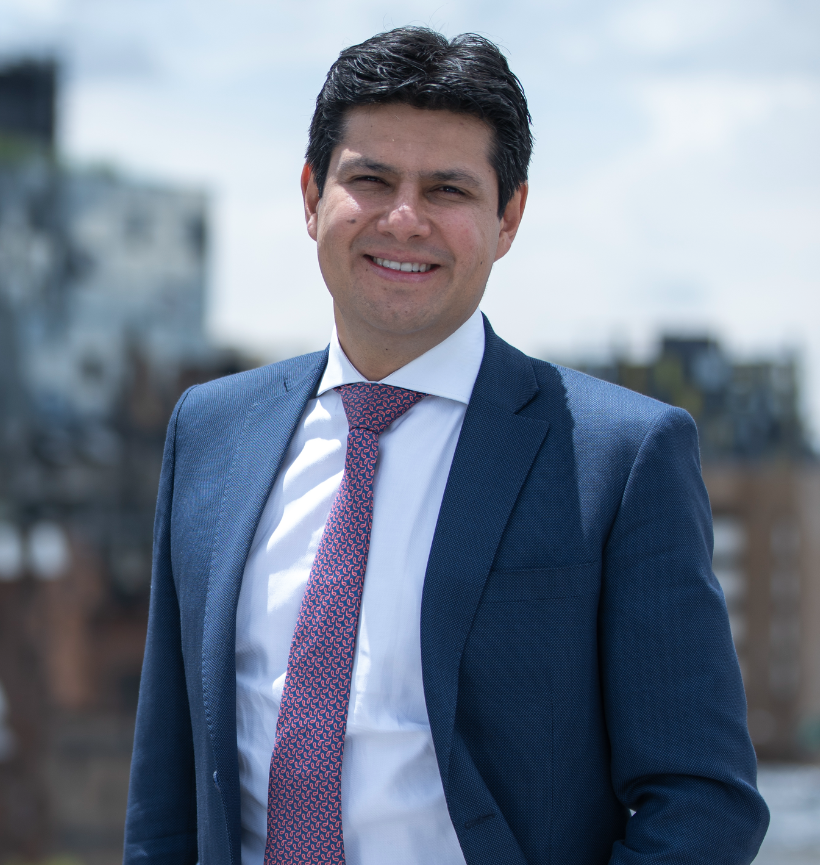

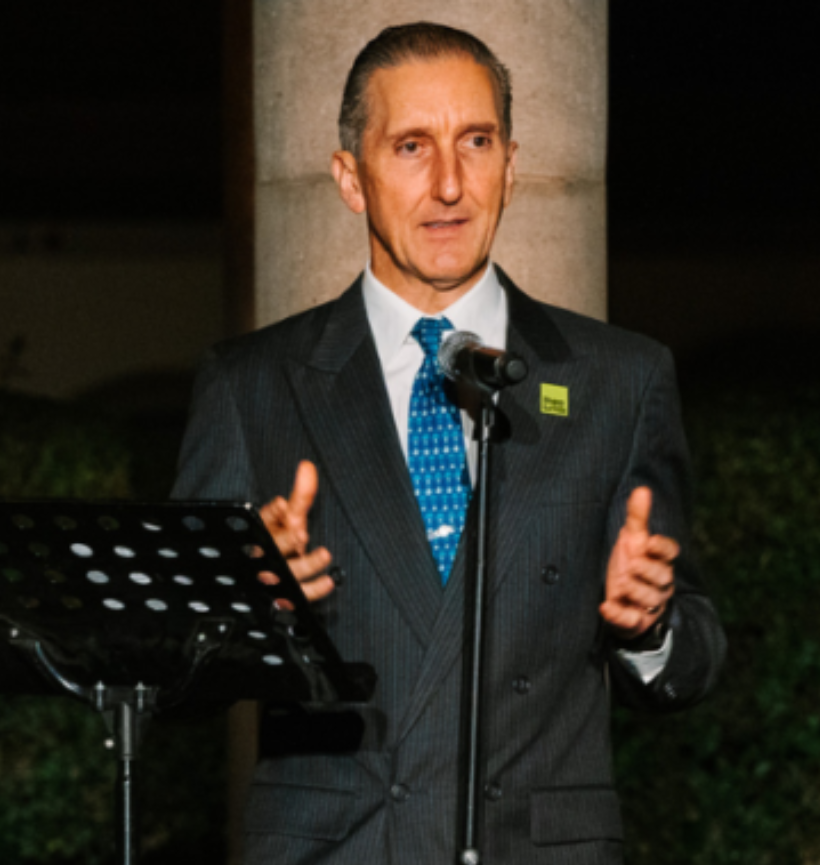
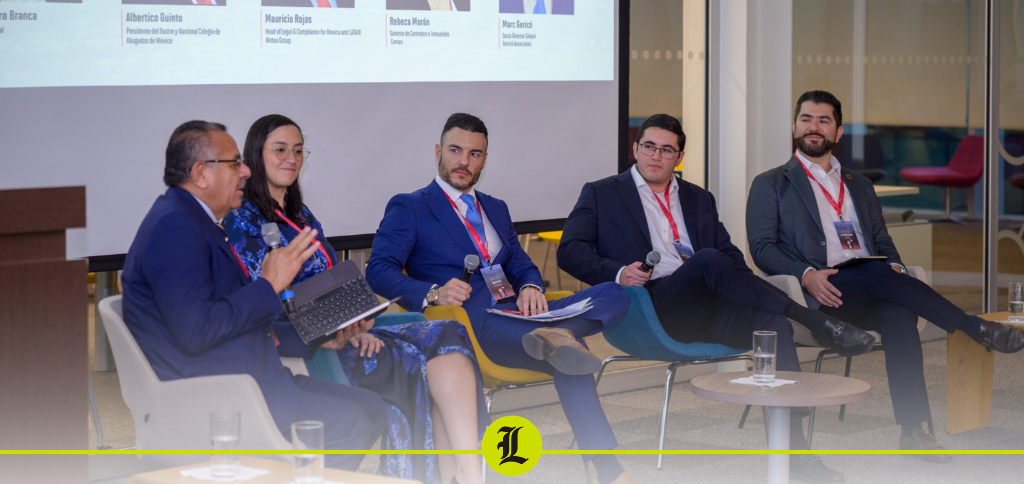
Foro Gerencias Legales 2026, in Monterrey, organised by Gericó Associates and held on Thursday, 26 February at Tecnológico de Monterrey, brought together some of the country’s and the region’s leading corporate legal executives, consolidating its position as a benchmark forum for analysing the strategic role of legal departments in today’s economy.
Throughout the day, key issues such as industrial relocation, the digital transformation of the legal function, compliance and ESG, international arbitration, and corporate governance were examined, with contributions from executives at multinational companies, leading law firms, and institutional representatives.
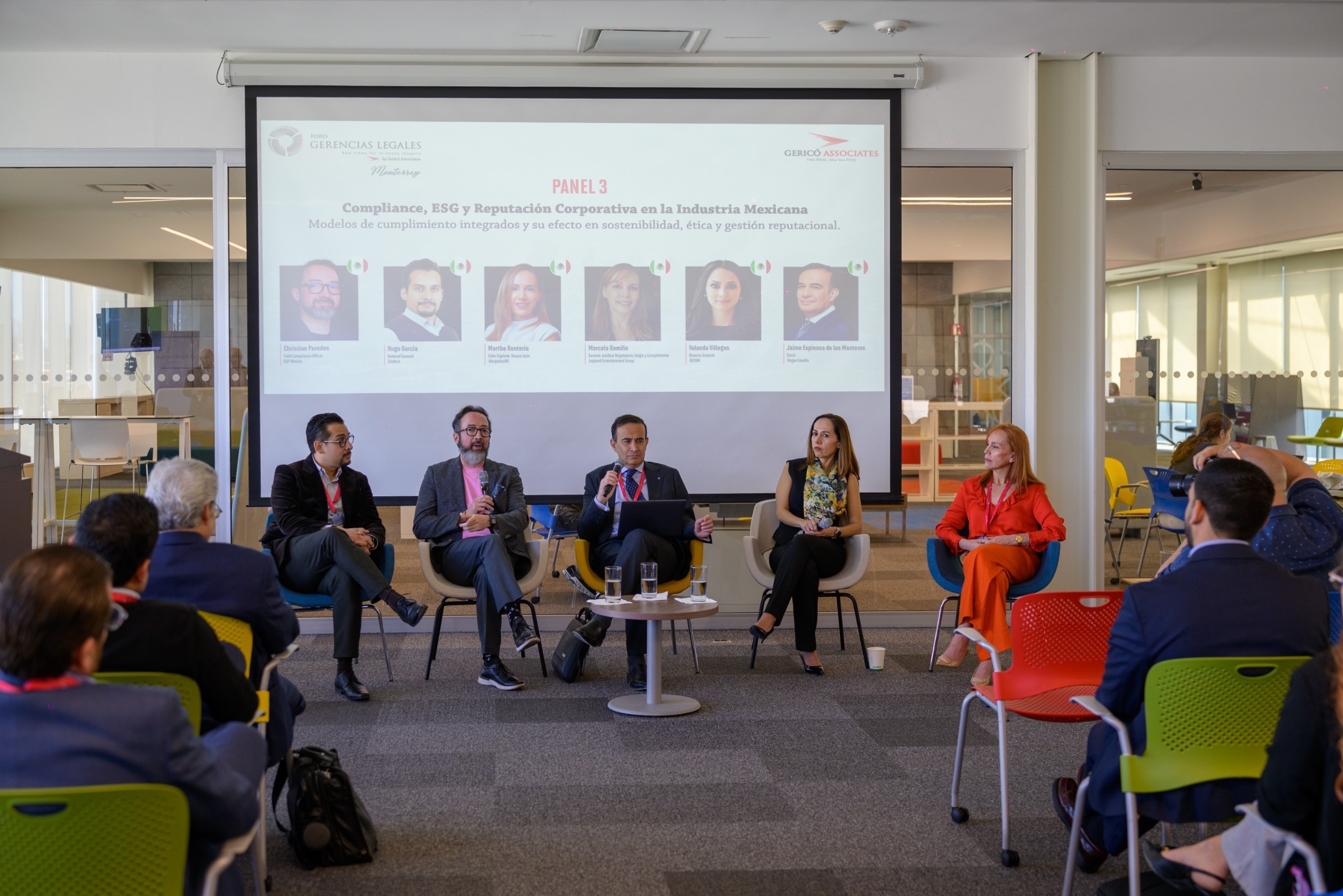
The event was sponsored by Akerman, Hogan Lovells, Santamarina + Steta, Holland & Knight, Pérez-Llorca, Bigle, and Ferran Martínez Abogados. It also received institutional support from Tecnológico de Monterrey, the Mexican Arbitration Center, and Abogadas MX.
One of the central points of consensus at the forum was the evolution of the corporate legal role: from a reactive function to a strategic business partner.
Guillermo González Frankenberger, partner at Hogan Lovells, highlighted the value of the meeting in understanding the real needs of companies:
“The Forum has been very useful and has opened my eyes as an external advisor to companies, because it has allowed me to see the need companies have for lawyers who understand their specific operations. In other words, what the industry needs of each of our clients are, because the problems each one faces are different. It has also allowed me to reconnect with friends and colleagues with whom I have exchanged opinions and, finally, to stay updated on various aspects such as artificial intelligence and regulatory compliance. Given how dynamic these two areas are today, it is important to be constantly present at these forums”.
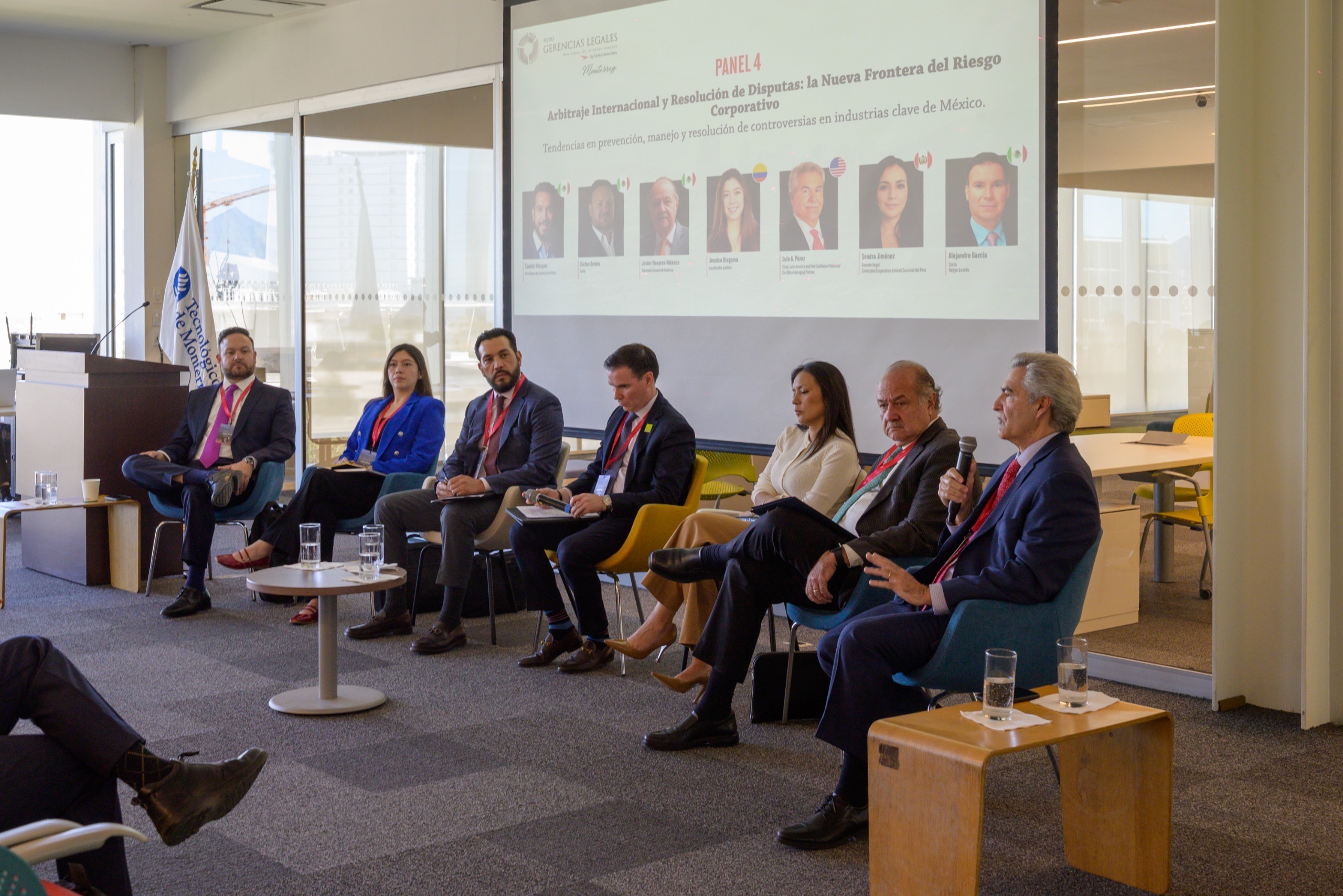
Along the same lines, Rodrigo Flores, Head of Legal, IP and Compliance at Covestro in Mexico, emphasized the need for new management models:
“We cannot continue operating under traditional models in an environment of hyper-regulation and stagnant budgets. Legal leadership is the engineering of certainty in environments of high uncertainty”.
Oswaldo Arriaga, legal advisor for Latin America at H&M, emphasized the urgency of adapting to the structural changes in the region:
“We need to open conversations that allow us to build more strategic, more influential areas that are much more connected to the future of the business”.
The digitization of the legal field was one of the most discussed topics. Víctor Céspedes, legaltech and AI consultant at Bigle, highlighted the regional nature of the exchange:
“This event offers the opportunity to meet many legal managers and partners from large firms in Mexico and Latin America, as well as learning about AI, legal operations, arbitration and other aspects of great interest, and to learn how lawyers and general counsel in the region think”.
Carlos Valenciano, Vice President of Legal Affairs for LATAM North and the Caribbean, emphasized the profound transformation of the legal function:
“The legal role is evolving from risk management to anticipating scenarios and supporting strategic decision-making. Legal Operations and artificial intelligence are transforming processes through intelligent automation, predictive analytics, and improved response times, but their adoption requires robust frameworks for governance, privacy, and ethics. Furthermore, aligning the legal area with product, business, and compliance is key to enabling initiatives such as nearshoring and regional expansion”.
Rebeca Morán, manager at CEMEX, shared concrete experiences of internal innovation:
“This is my first time participating and I was interested in sharing what we have done in terms of innovation: implementation of contract management systems, use of artificial intelligence in ‘closed-loop’ platforms”.
Another central theme was international arbitration, seen as a key tool for business competitiveness.
Carlos Brehm, partner at Santamarina + Steta, summarized the main lessons learned:
“The three main takeaways for me are, firstly, the opportunity to participate with such high-level professionals who are so knowledgeable in the field. Secondly, that nowadays in arbitration we are not only focused on the rules, but are now thinking beyond them, considering issues of interest to the parties involved, such as technology and the implications of cybersecurity. Finally, that lawyers are also aware of the costs and complexity that some cases can entail and why companies should consider arbitration as an option and be able to use this method of dispute resolution”.
Camilo Vázquez, president of the Arbitration Committee of the ICC Nuevo León, highlighted the importance of procedural efficiency:
“Companies require arbitrations with control over time and costs, that are not only technically sophisticated, but operationally efficient. The efficiency of arbitration does not begin with the request, but in the arbitration clause”.
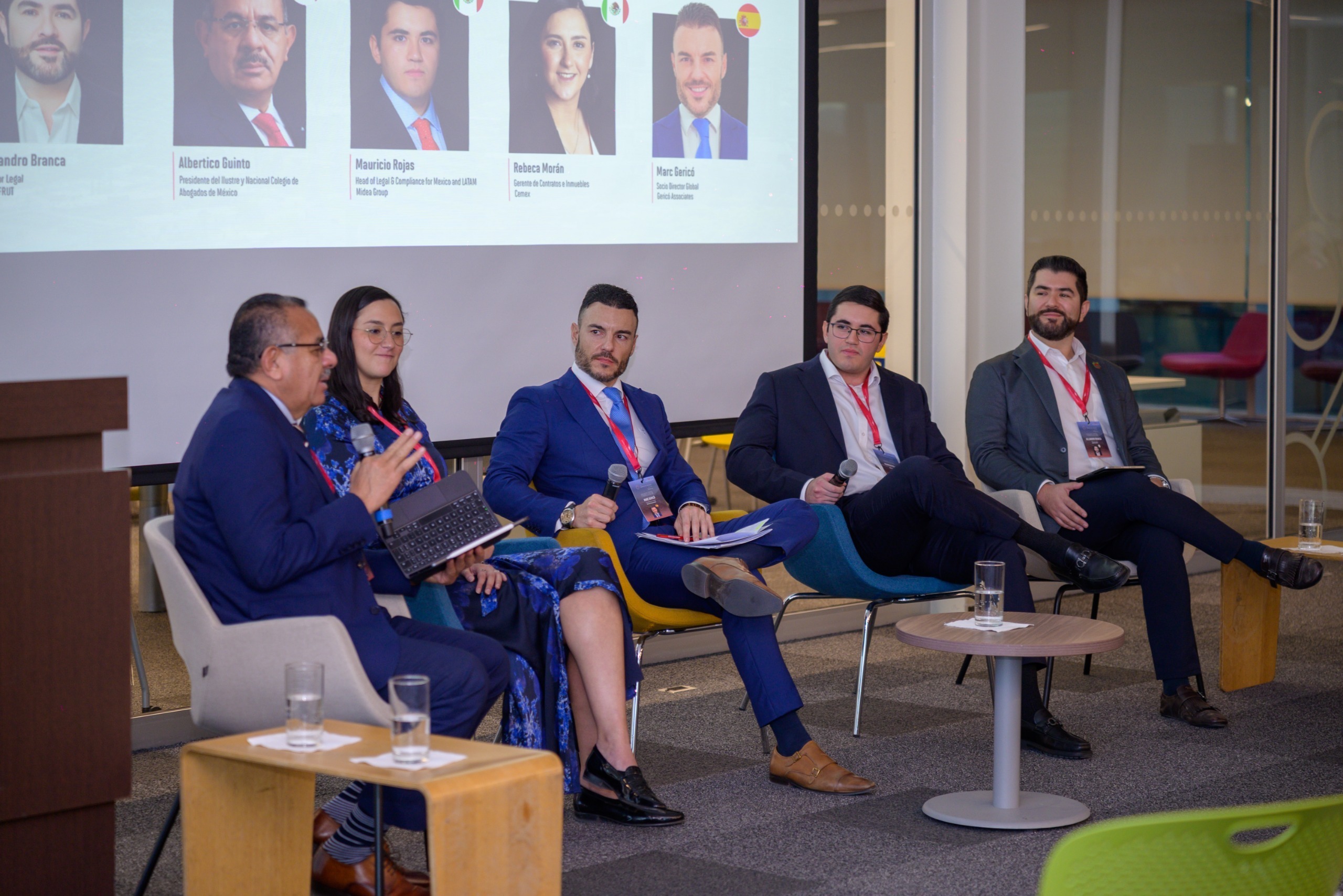
From the public sector, Javier Navarro Velasco, Secretary General of the Government of the State of Nuevo León, emphasized the economic impact of alternative mechanisms:
“The use of commercial arbitration and mediation brings direct benefits to the national and international business community by promoting a culture of conflict prevention. When the public sector understands business logic and legal departments understand the institutional architecture, friction decreases, resulting in greater regional competitiveness”.
Marc Gericó, global managing partner of Gericó Associates, concluded that “individual intelligence does not change structures. What changes structures is the collective thinking among decision-makers. Foro Gerencias Legales 2026, elevates the legal conversation in Latin America and transforms the General Counsel into a true strategic architect within the company”.
Foro Gerencias Legales 2026, de Monterrey, confirmed the growing prominence of legal departments as enablers of business, especially in an environment marked by regulatory, technological and geopolitical uncertainty.
The participation of industrial, technological, consumer and energy companies, along with global firms and specialized organizations, highlighted Monterrey’s role as a legal-business hub in Latin America.