

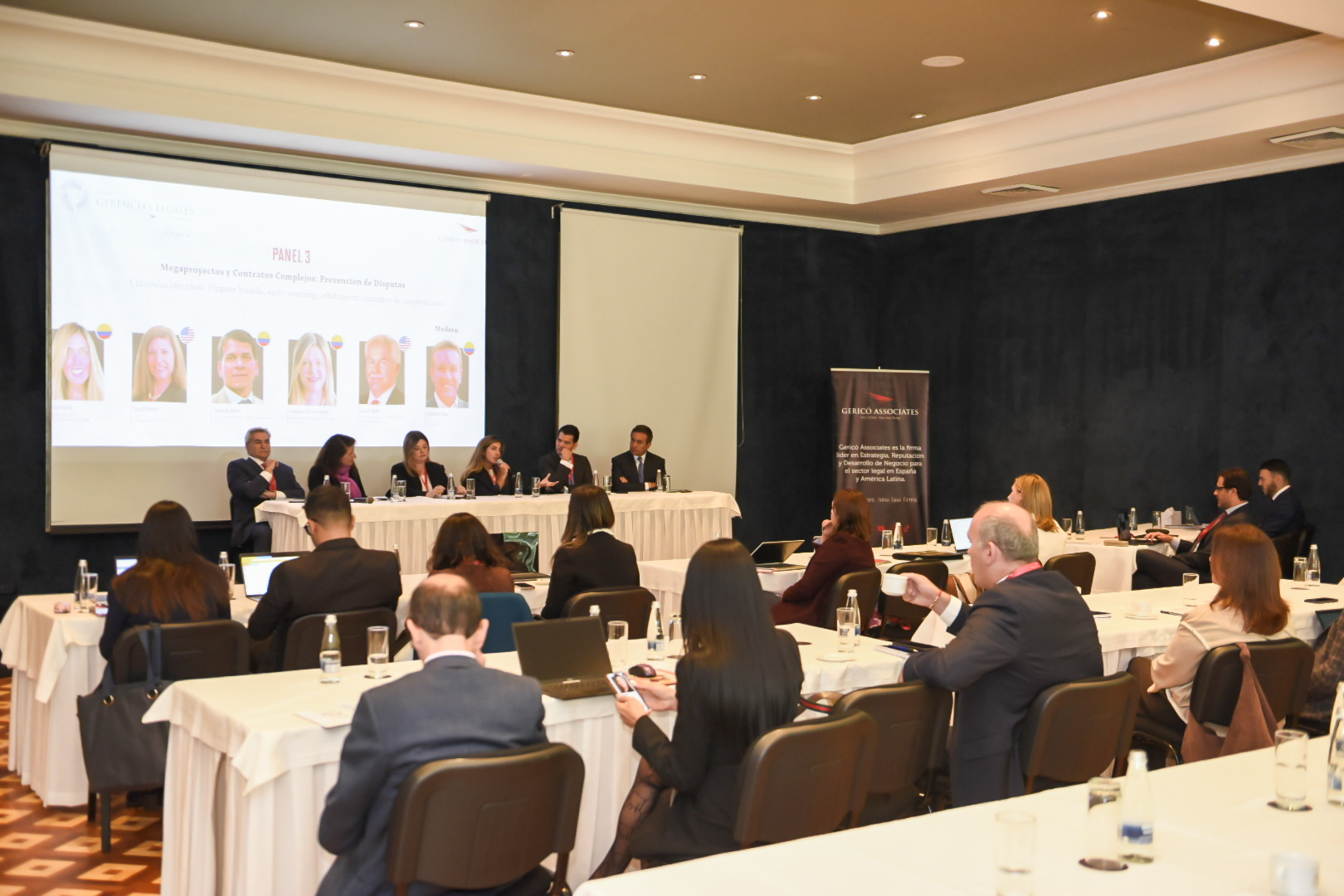
The Foro Gerencias Legales Bogotá 2026, held at the Metropolitan Club of Bogotá and organized by Gericó Associates, brought together general counsel, legal directors and experts from leading companies such as CEMEX, COMCEL, Ecopetrol, Toyota, Pepsico or Colgas to analyze how regulation, digital transformation and new risks are redefining the role of the legal function in organizations.
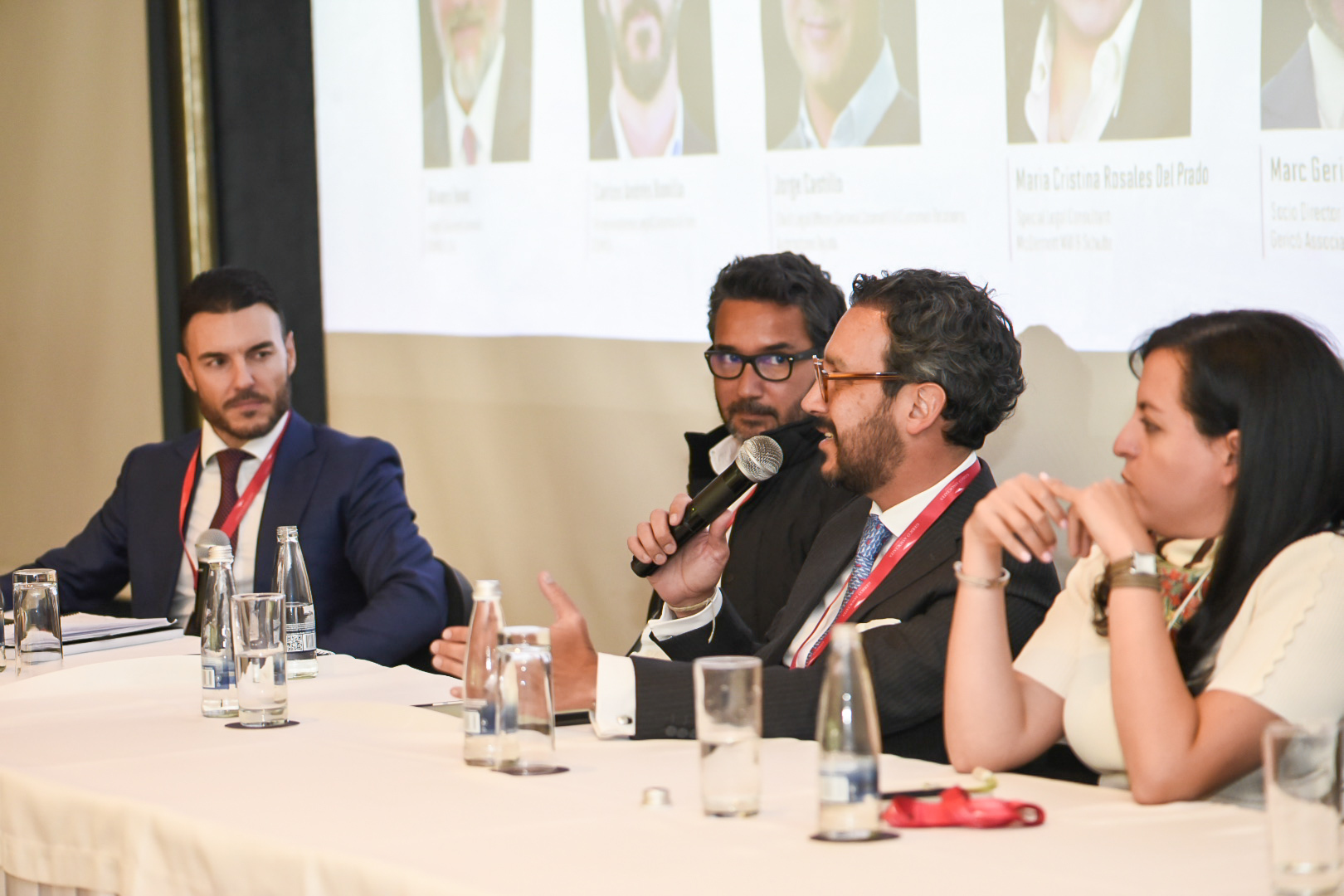
The message that resonated throughout the day was clear: legal departments are no longer content with simply reacting to problems as they arise. Today, they seek to anticipate them, influence strategy, and demonstrate that law can also be an engine of competitiveness.
The event was sponsored by Esguerra JHR, Akerman, Pinilla, González & Prieto, McDermott Will & Emery, Bigle, Fabio Humar Abogados, Posse Herrera Ruiz, OlarteMoure and King Salomón, firms that supported a space for debate focused on the main legal challenges of the business environment in Colombia and Latin America.
Technology, in particular, was a subject of intense debate. This was not only due to its regulatory implications, but also because of the pressure it exerts on legal structures that, in many cases, have not yet fully adapted to the digital pace.
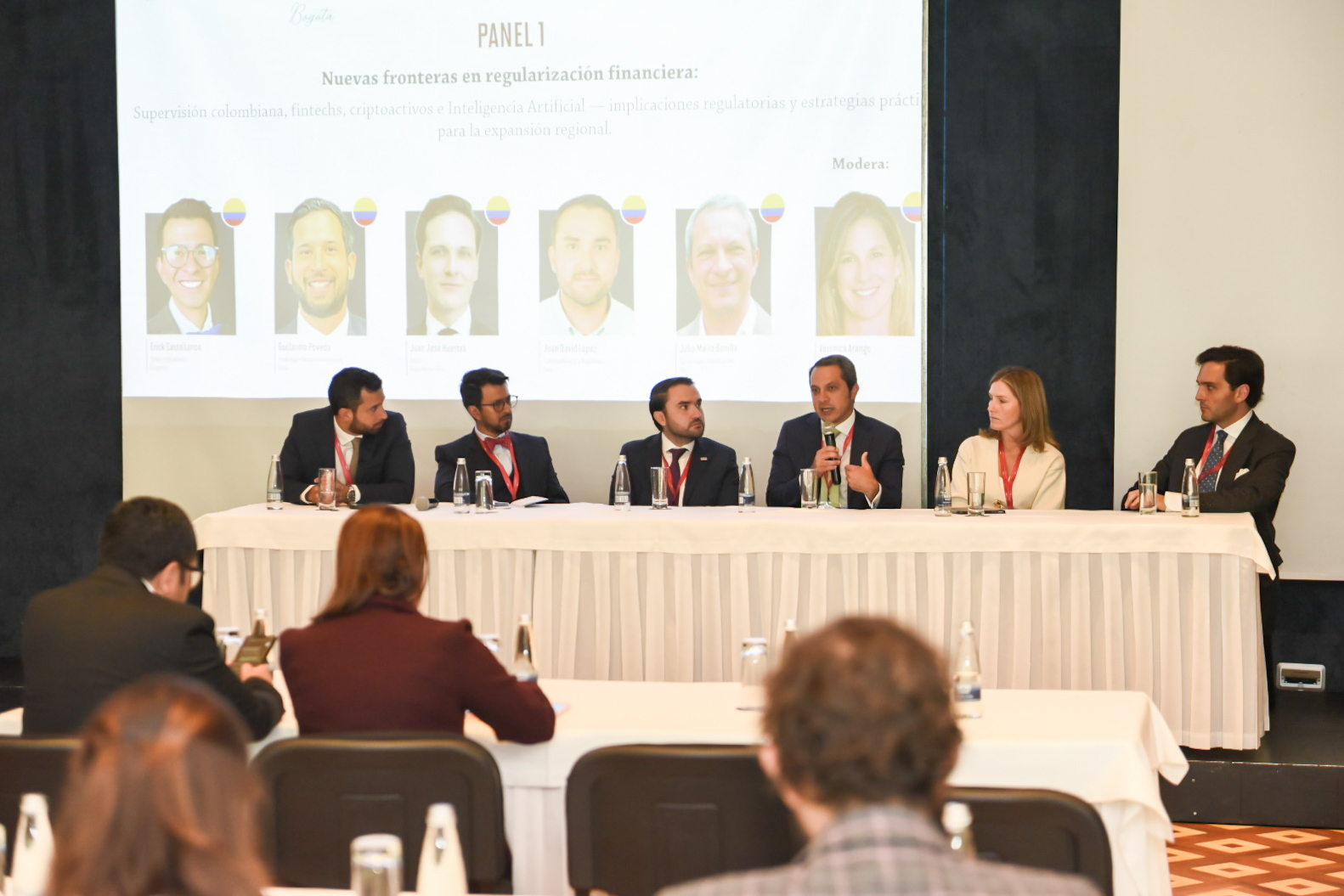
Erick Castellanos, Senior Legal Advisor at Ecopetrol, pointed out: “The legal area has a fundamental role in highly regulated organizations, where it must not only guarantee compliance, but also adapt to constantly changing environments and strategically support the business.”
Guillermo Poveda, Head of Legal + Compliance Americas at Xebia, was direct about it: “The legal function must be much more actively integrated into the technological evolution of the business, understanding the processes, anticipating risks and supporting decision-making in increasingly complex digital environments.”
The day also reserved space to reflect on the role of the in-house lawyer and how it has been changing in recent years: from technical advisor to business interlocutor, with an increasingly cross-cutting perspective.
Jorge Castillo, Chief Legal Officer (General Counsel) & Customer Relations at Automotores Toyota, expressed it clearly: “The legal area must actively participate in the business strategy and in the relationship with customers, consolidating itself as a key partner within the organization and not only as a support function.”
Corporate compliance occupied a large part of the discussions, and not by chance: its transformation from a regulatory obligation to a strategic lever was one of the guiding threads of the day.
Felipe Payán, Senior Corporate Legal Counsel and Compliance Officer at Avaya, summarized it this way: “Corporate compliance has evolved into a strategic element within organizations, not only for managing risks, but also as a true added value that contributes to market positioning and competitiveness. Furthermore, these kinds of forums are essential for exchanging experiences and knowledge; having panelists of this caliber and exceptional organization significantly elevates the quality of the discussion.”
Preventive risk management was another area of major convergence, with voices coming mainly from the industrial and infrastructure sectors, where errors in anticipation have particularly costly consequences.
Martín Posada, Legal & Compliance Director Northern South America of Bureau Veritas Group, stated: “It is key to anticipate risks from a legal management perspective, integrating legal analysis into business operations and strengthening the preventive capacity of organizations.”
Juan Arévalo, Legal Manager, Legal and Compliance Area of Scania Commercial Operations, shared a similar vision: “It is essential to achieve greater integration between the legal and operational areas, so that decision-making is more efficient and aligned with the company’s risk management.”
But perhaps what attendees valued most wasn’t any particular content, but rather the opportunity to converse with peers facing similar challenges in different contexts. This exchange, difficult to replicate in other formats, proved to be, for many, the true value of the forum.
The diversity of sectors represented—energy, technology, automotive, industry, and services—enriched the debate and highlighted something that was perhaps already suspected but which the forum confirmed: the complexity of the business environment no longer distinguishes between industries. Legal departments, in all of them, are forced to evolve at a pace that was previously foreign to them.
This edition of the Foro Gerencias Legales Bogotá 2026, also sends a clear signal about its own place in the regional legal ecosystem: it has become a benchmark event for those who lead legal functions in Latin America, at a time when regulation, technology and sustainability are rewriting the rules from within.
Bogotá is thus consolidating itself as a key hub for the analysis of legal trends that will shape the future of the region, with a growing prominence of legal areas in the competitiveness and growth of companies.